
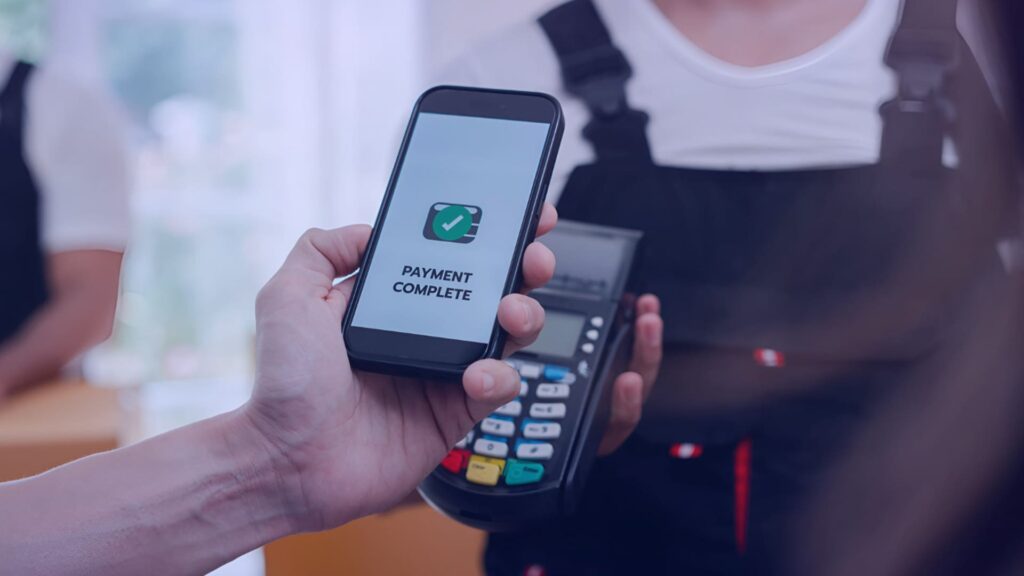
Modern conveniences of using a credit or debit card to pay without even putting it into a machine has made many people completely eschew carrying cash. And yet those same cards can be even less secure than a traditional cash-carrying wallet. If your card gets ghost-tapped, you can lose thousands of dollars in day. But before you panic and call your bank to cancel your card, here’s what you need to know.
What Is Ghost-Tapping?
Ghost-tapping is a type of contactless payment fraud where a scammer remotely initiates a transaction on your tap-enabled credit card, debit card, or mobile wallet.
Scam Detectors Most Trusted Websites in Online Security
- Guard.io (100): Protect your digital world on any device – Guardio stops scams and phishing in their tracks.
- Incogni.com (100): Delete your personal data from the internet and protect against scams and identity theft.
- ExpressVPN (100) Stay secure and anonymous online - Best VPN Out There
Typically, tap-to-pay systems mean all you have to do is hold your card or phone near a payment terminal to complete a transaction. But physically, your card will always transmit its data in its surroundings when prompted, and the scanner is just what can read it. Scammers exploit this by getting close enough to trigger a charge in crowded spaces where victims are distracted or don’t notice the intrusion.
The key difference between ghost-tapping and traditional card theft is that the scammer never physically takes your card. They don’t need your PIN, your name, or your card number. They basically put a machine up to your card, where it’s automatically detected and initiates a charge.
How Ghost-Tapping Scams Work
Ghost-tapping scams typically involve a scenario where a person will bump into you or conspicuously stand close to you and near your wallet or phone. And while the actual method of the fraud can vary, from accidental bumps to fake vendors, the process behind them is the same.
Most scams start with small charges, usually below 20 bucks, to avoid triggering your bank’s fraud detection systems. If the first charge goes undetected, scammers often try their luck with larger amounts. They can do this by simply keying in the asking amount on the machine and bringing it close to your card or mobile phone. Once your card receives a signal, it simply transmits your banking information so that the transaction can begin.
The reason behind ghost-tapping becoming common is that it’s incredibly difficult to catch. When you think of tap-to-pay, you don’t think this applies to cards that are still in your wallet. A person brushing past you in a busy street is not nearly as suspicious as the situation entails.
Furthermore, notifications for card payments can be delayed by a few minutes or even half an hour, and some people never even set those up. The inherent belief in the safety of the system makes a lot of people just not pay much mind to their cards once they’re in their wallet.
Red Flags for Ghost-Tapping Scams
If you see small, unexplained charges on your card, chances are they are “test charges” for a ghost-tapping scam.
If you’ve set up your card to require additional authentication, you should get an alert about a charge whenever someone attempts to ghost-tap you. But if not, your only chance of spotting it is by keeping track of your account’s transactions or invoices.
What if You Were Scammed?
If you suspect you are a victim of ghost-tapping, here’s what you can do.
Step 1 – Contact your bank to report the fraudulent charges. Many banks require you to report fraud within a specific timeframe (typically 60-90 days) to be able to reclaim that money. Explain that you did not authorize the transaction and that you did not make physical contact with a payment terminal.
Step 2 – Ask your bank to immediately freeze or cancel the affected card. This prevents further unauthorized charges.
Step 3 – Formally dispute the transaction with your bank. Most banks have a dispute process that allows you to challenge unauthorized charges.
Step 4 – Continuously check your bank and credit card statements daily for additional unauthorized charges. Scammers who successfully compromised one card sometimes attempt multiple transactions.
Step 5 – Check your credit report to ensure it hasn’t been affected by the fraud, or place a fraud alert on it.
How to Protect Against Ghost-Tapping
Physically, if you have a lot of credit cards, get an RFID-blocking wallet or phone case. These have thicker, more robust, or entirely metallic casings which prevent radio signals from passing through. They’re the first line of defense against contactless tapping.
If you use Apple Pay, Google Pay, or a similar mobile wallet, you can turn off the NFC (Near Field Communication) feature when you’re not actively making a payment. On most phones, this is done through Settings. You might also be able to set your mobile wallet to require your fingerprint, face recognition, or PIN before completing a payment.
Since ghost-tapping is more common in crowded areas, it might be a good idea to use chip or swipe payment if possible. While it is a bit slower and unwieldy, you physically holding the card means you’re more aware of your surroundings and might dissuade a scammer from trying to brush past you.
Verify Another website
Are you just about to make a purchase online? See if the website is legit with our validator:
vldtr®

TOP MUST-WATCH FRAUD PREVENTION VIDEOS
1. Top 5 Amazon Scams in 2024 2. Top 5 PayPal Scams in 2024 3. How to spot a scam Email in 2024
When my sweet old grandmother got caught up in an Amazon gift card scam, I decided then and there that I needed to do whatever I could to inform as many people as possible about the grifters of the world. That’s what I do here – writing about modern scams so you don’t get caught out.