
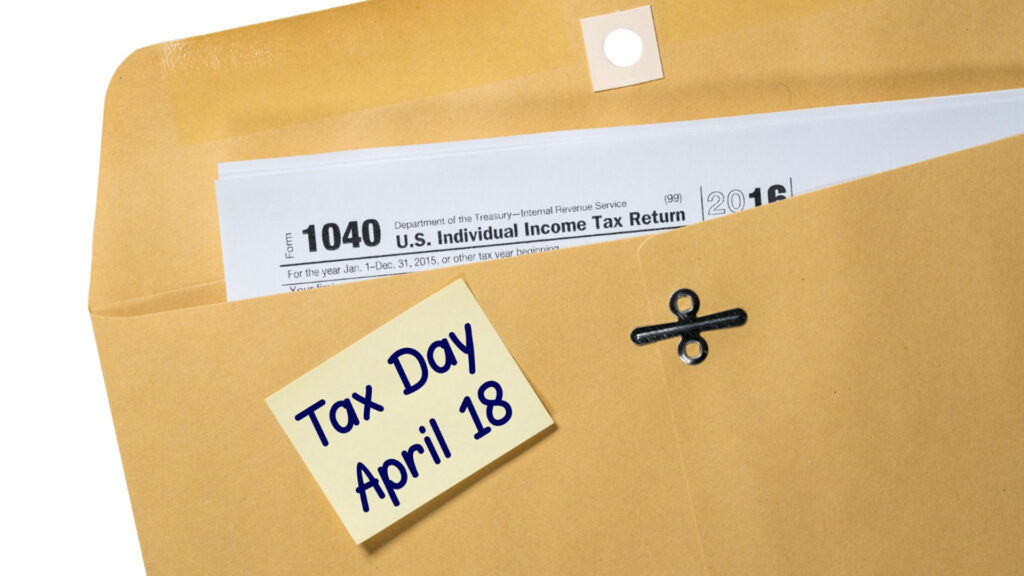
Tax filing and refunds are becoming an increasingly digital process. Some U.S. citizens now have the option to receive their tax refunds via direct deposit straight into their bank accounts. While this is convenient and fast, it also creates an additional avenue for scammers.
Read on to learn about the IRS CP53E scam and how to avoid it.
Scam Detectors Most Trusted Websites in Online Security
- Guard.io (100): Protect your digital world on any device – Guardio stops scams and phishing in their tracks.
- Incogni.com (100): Delete your personal data from the internet and protect against scams and identity theft.
- ExpressVPN (100) Stay secure and anonymous online - Best VPN Out There
What Is an IRS CP53E?
The IRS CP53E notice is an official letter you receive from the IRS via the U.S. Postal Service. You may receive a CP53E notice from the IRS if:
- You’re due a tax refund, or an adjustment has resulted in a refund, and you haven’t provided your bank account details.
- Your bank account details are incorrect.
- A tax correction has resulted in a refund.
The notice gives you 30 days to update your bank account details for direct deposit or accept a physical check.
Consumer affairs experts state that over 1.4 million people have already received a CP53E notice this year, but some of these may not be genuine.
The IRS CP53E Scam Explained
Scammers are sending fake IRS CP53E notices, sometimes by email instead of using the mail. Their goal is to convince victims that they need to update and verify their bank account details.
When the scam victim follows the provided link, they are actually giving their bank details to a scammer, not the IRS. The scammer then gets access to their account and can steal both funds and personal information.
The IRS CP53E scam works because so many people are expecting these notices to arrive, and might not realize that theirs isn’t real.
Signs That Your CP53E Notice Is a Scam

Here are the key points to protect yourself from the IRS CP53E scam:
- The IRS will only ever send these notices via mail, not email.
- If the letter/email has a QR code to scan, it may not be real. Visit the official IRS website to verify.
- IRS notices shouldn’t require you to confirm any personal or sensitive information.
- Correspondence containing links to websites that don’t include .irs.gov is almost certainly fake.
Never engage with an email from the IRS that asks you to follow a link. Instead, head to the help pages of the official IRS website for the next steps.
Protect Yourself from IRS Scams
The main way to protect yourself is to only ever change or verify your bank details via your personal “online account for individuals” provided by the IRS.
Head to this link:
https://www.irs.gov/payments/online-account-for-individuals
Sign in or create an account. From here, you can see if you have a refund due and how to claim it. If you have difficulty accessing the internet, get a trusted friend or family member to help you. This is the most secure way to ensure you avoid attempted tax fraud, including the IRS CP53E scam.
The U.S. government has created an online page with details on how to report a scam so you can help other people stay safe as well.
You can keep yourself updated on the latest tax scams by signing up for Scam Detector’s Scam Alerts. Find out how to spot a scam and stay safe, even as taxes become more digital.
Verify Another website
Are you just about to make a purchase online? See if the website is legit with our validator:
vldtr®

TOP MUST-WATCH FRAUD PREVENTION VIDEOS
1. Top 5 Amazon Scams in 2024 2. Top 5 PayPal Scams in 2024 3. How to spot a scam Email in 2024
When my sweet old grandmother got caught up in an Amazon gift card scam, I decided then and there that I needed to do whatever I could to inform as many people as possible about the grifters of the world. That’s what I do here – writing about modern scams so you don’t get caught out.














Hi.. like to know if Mahler and James are a scam?…