
K-pop fans spend a lot of money on concert tickets or memorabilia such as albums, lightstick, fan club memberships, and photocards. That combination of high demand, limited stock, and emotional attachment is exactly what scammers look for because buyers are less likely to double-check before they check out. South Korea’s National Police Agency reported that the number of fraud cases involving foreign entities nearly quadrupled over two years, where K-pop scams involving merchandise and tickets were the main contributors. Here’s how to spot these operations and steer clear.
Scam 1 – Fake Merch Stores
Most scam websites claim to sell official albums or merch. They will look convincing enough at first glance, but that’s because the product photos are copied directly from retailers. In most cases, the store will either send you counterfeit goods or take your payment and disappear, often claiming various shipping issues. The website is usually closed a few months later and another pops up to take its place with nearly identical products.
Scam Detectors Most Trusted Websites in Online Security
- Guard.io (100): Protect your digital world on any device – Guardio stops scams and phishing in their tracks.
- Incogni.com (100): Delete your personal data from the internet and protect against scams and identity theft.
- ExpressVPN (100) Stay secure and anonymous online - Best VPN Out There
But if you dig a bit deeper, you’ll usually notice that the website is devoid of pretty much anything that makes it legitimate. It will lack a detailed contact page, the product listings will be disorganized or straight up duplicated on other websites, and you likely won’t be able to pay via credit card.
Scam 2 – Preorder K-Pop Scams
Preorders are especially attractive for scam operations because buyers already know they might wait weeks or months for delivery. This means the scammers have an excuse not to deliver anything for a while and by the time you figure it out, the contact is gone.
Usually, you can cross-reference the preorder with the actual listing from the group or the official fan platform. If they don’t match, the preorder is likely a scam.
Scam 3 – Fake Collectibles
Photocards are among the most valuable items in K-pop collecting since rare cards sell for hundreds or even thousands of dollars on the resale market. Some scammers even complete a few genuine low-value trades before luring people with a bigger purchase.
The biggest giveaway is that you’ll be asked to make a deposit or send a transfer outside of the official marketplace. This is how the money won’t be able to be returned or traced.
Scam 4 – Concert Ticket Scams
Scammers may advertise tickets on social media which they don’t actually own. They might also sell the same ticket to multiple buyers, handing over edited screenshots as “proof” of purchase. Then, they vanish as soon as the payment clears.
International fans face even more problems. If they aren’t familiar with Korea’s ticketing platforms, payment systems, or language, they could rely on local intermediaries who claim they can buy tickets or merchandise on their behalf for a small fee. Once the money is sent, the intermediary disappears without delivering anything.
You should always buy tickets through official ticketing platforms or authorized resale services for your region. Even if the language on the website is in Korean, you should be able to get a translation or manually translate parts of the website.
Scam 5 – Celebrity Impersonation and Romance Scams
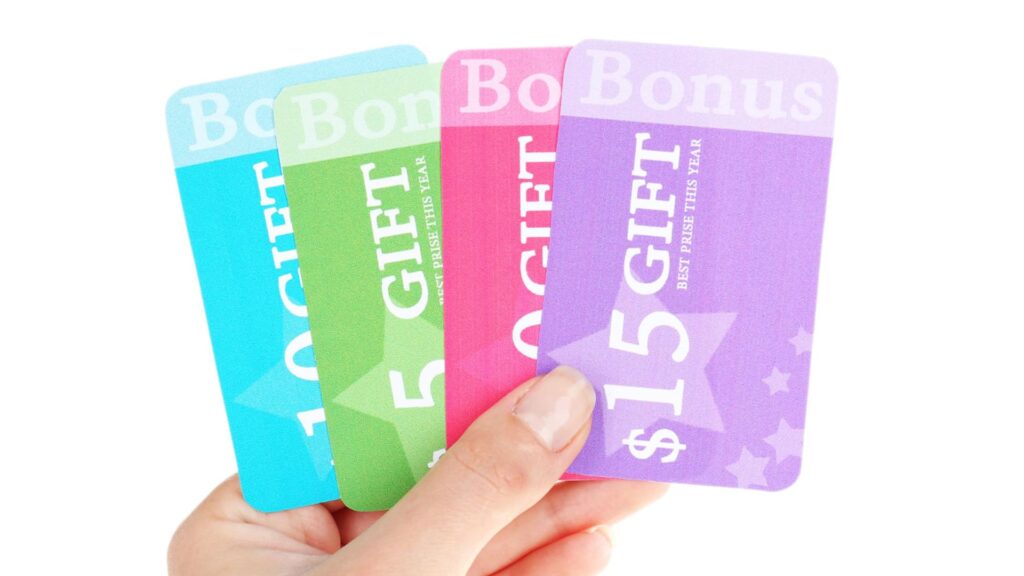
The scam typically starts with a direct message from a social media account claiming to be a celebrity or someone from their management team. The reason that they’re using a different, so-called “private,” account is because they supposedly can’t use their official one. The scammer then proceeds to build an emotional connection with the victim over time. After a while, they will start asking for money to cover travel expenses, customs fees on a supposed gift, exclusive membership costs, emergency financial help, cryptocurrency investments, or gift cards.
However, real celebrities and their agencies won’t privately message fans asking for money, under any circumstance. It's also highly unlikely a globally recognized celebrity would need financial assistance in the first place.
Scam 6 – Fake Fan Clubs and Phishing Sites
Another version of K-pop scams works by imitating official fan clubs, ticketing platforms, or entertainment companies. They will claim your membership is expiring, presales have opened early, exclusive content is waiting, or that you need to vote for your favorite artist in some contest. These messages lead to fake login pages designed to steal your username, password, and payment details.
The actual website address here is key. Make sure you’ve checked that it’s legitimate and coming from a trusted source.
What to Do if You Sent Money?
The first step is to contact your bank or payment provider to see if the transaction can be reversed or disputed. Save screenshots of the listing, any text conversations, and your payment receipt as evidence.
If you shared a password or payment details on a fake site, change that password immediately and enable two-factor authentication wherever it’s available.
Verify Another website
Are you just about to make a purchase online? See if the website is legit with our validator:
vldtr®

TOP MUST-WATCH FRAUD PREVENTION VIDEOS
1. Top 5 Amazon Scams in 2024 2. Top 5 PayPal Scams in 2024 3. How to spot a scam Email in 2024
When my sweet old grandmother got caught up in an Amazon gift card scam, I decided then and there that I needed to do whatever I could to inform as many people as possible about the grifters of the world. That’s what I do here – writing about modern scams so you don’t get caught out.