Imagine receiving a message from the world’s largest international police organization, Interpol, claiming that your business is under investigation for suspected criminal activity. It’s a frightening scenario, and it’s one that many small business owners around the world have faced in recent weeks.
In reality, however, these messages aren’t being sent by law enforcement agents, but by Interpol scammer groups, posing as figures of authority to intimidate their victims into installing malicious software. Read on to discover how the Interpol email fake warning scam works and how to avoid it.
Scam Detectors Most Trusted Websites in Online Security
- Guard.io (100): Protect your digital world on any device – Guardio stops scams and phishing in their tracks.
- Incogni.com (100): Delete your personal data from the internet and protect against scams and identity theft.
- ExpressVPN (100) Stay secure and anonymous online - Best VPN Out There
How Interpol Scammer Groups Operate
The fake Interpol email scam is a classic example of social engineering.
Scammers pose as Interpol agents, often including the official Interpol logo in their email messages, and even using the names of actual Interpol authorities to make themselves appear more credible. They then contact victims via email, typically focusing on small business owners in various parts of the world – including North America, Europe, and Asia – and claim that their businesses are under investigation.
The victims are then asked to click a link to access some sort of “video evidence” related to the investigation. In reality, the link contains malware, usually ransomware, which infects the victim’s device and encrypts their data. A ransom note then instructs the victim to contact and make a payment to the Interpol scammer via an encrypted messaging platform called Tox.
Cybersecurity researchers, including Bitdefender, have found that the ransomware used in these attacks is often quite rudimentary. However, many small businesses lack the necessary defenses to deal with it. As a result, they’re more likely to agree to the scammers’ demands to regain access to their files and devices.
Scammers’ messages are often designed to induce a sense of urgency and panic in the victim, as well. They may claim, for example, that the business owner faces the possibility of prosecution or even arrest if they fail to comply immediately.
What to Do if Your Device Has Been Infected
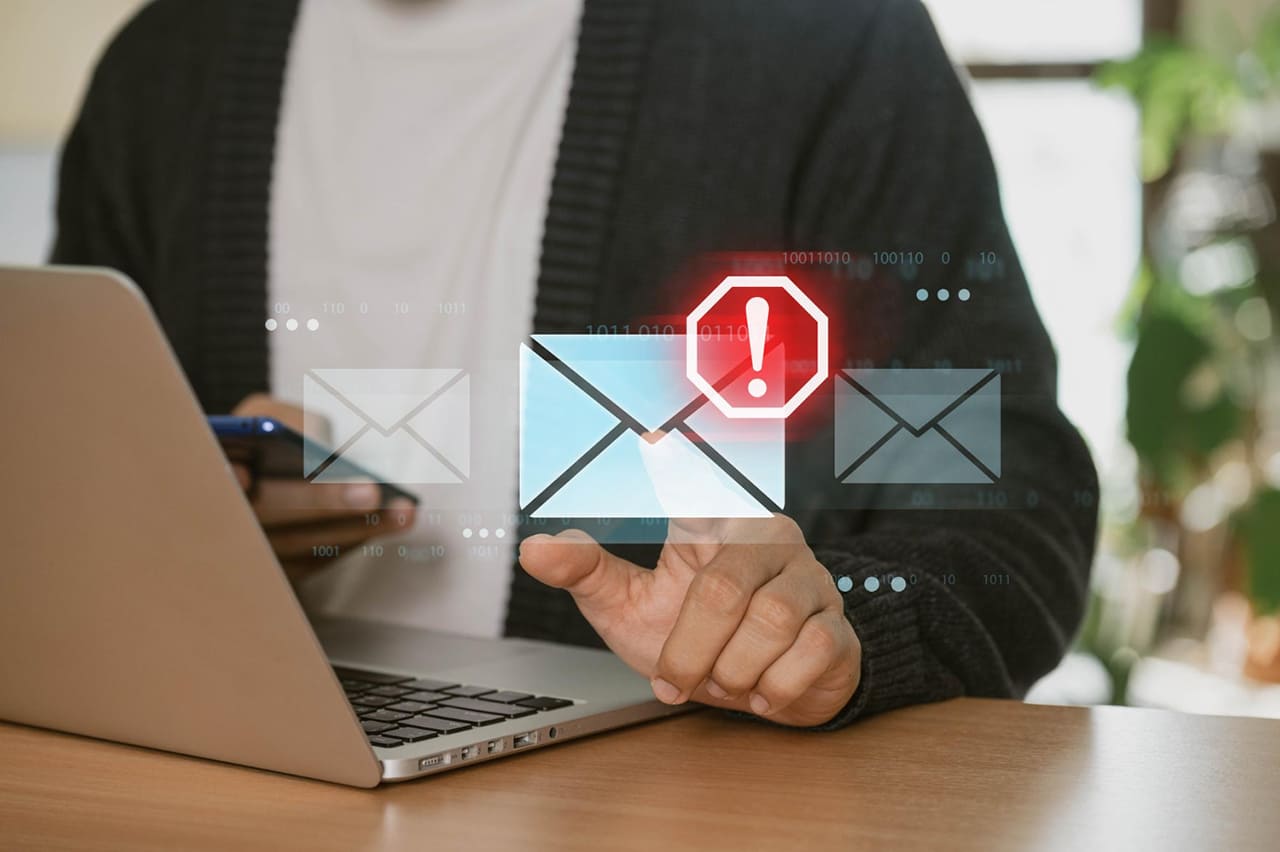
If you clicked any links or downloaded any files from fake Interpol messages, your device may be infected with ransomware. In this case, it’s important to remain calm but act quickly to limit the damage and recover your files.
Under no circumstances should you speak with the scammers or pay the ransom. There’s no guarantee that payment will result in your files being decrypted. In fact, it can make the situation even worse as scammers may ask you for even more money or target you again.
Instead, cybersecurity experts recommend the following actions:
- Disconnect your device from the internet and the local network to reduce the risk of the ransomware spreading any further.
- Notify your IT or security team, if you have one, so that they can take over and carry out the necessary scans and recovery processes for your device.
- If you don’t have an internal IT team, you may wish to reach out to a trusted third-party service to assist you.
- Recovery will usually involve wiping the infected device, reinstalling the operating system, and recovering lost files from a secure backup (if one is available).
- Post-recovery, monitor your network and accounts for any additional suspicious activity and update passwords for any accounts that might have been compromised.
How to Stay Safe
Interpol itself has issued multiple warnings about Interpol scammer activities, reminding the public that it never contacts business owners directly, nor does it ever ask for money, bank details, or any other financial information.
So, if you receive any kind of correspondence that claims to be from Interpol and asks you to click links, download files, or make payments, it’s definitely a scam and the fake email should be ignored, reported, and deleted. You can report fake Interpol emails directly to Interpol itself via this contact form.
Business owners should educate employees about these kinds of scams so they also know how to respond if they receive suspicious messages. It’s also recommended to invest in trusted security solutions, like endpoint protection and antivirus programs, as well as backing up files regularly.
Verify Another website
Are you just about to make a purchase online? See if the website is legit with our validator:
vldtr®

TOP MUST-WATCH FRAUD PREVENTION VIDEOS
1. Top 5 Amazon Scams in 2024 2. Top 5 PayPal Scams in 2024 3. How to spot a scam Email in 2024
When my sweet old grandmother got caught up in an Amazon gift card scam, I decided then and there that I needed to do whatever I could to inform as many people as possible about the grifters of the world. That’s what I do here – writing about modern scams so you don’t get caught out.