
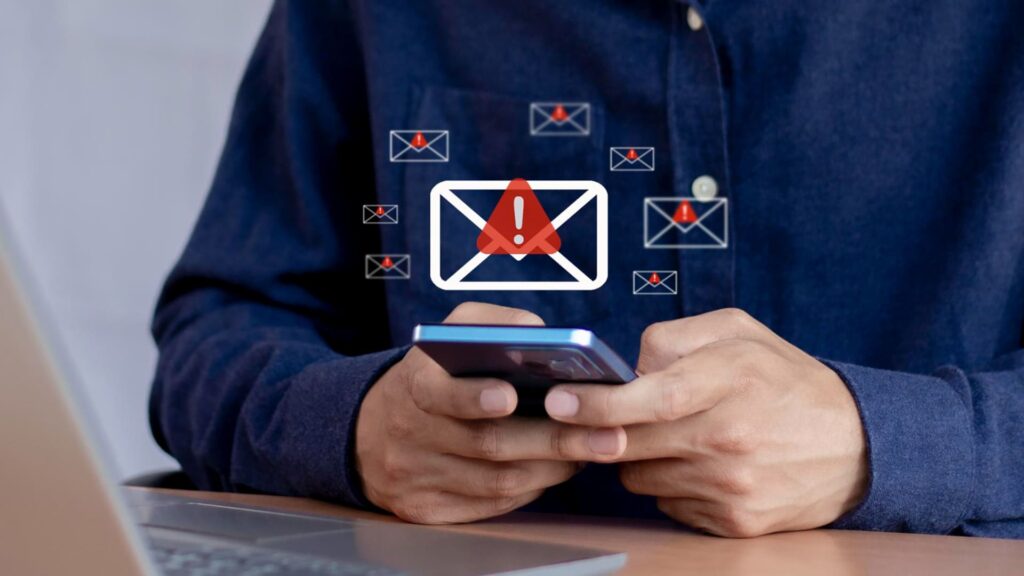
Are USPS texts legit? The United States Postal Service (USPS) delivers millions of packages every day. With that in mind, it makes sense that they would send people SMS texts with package-tracking and delivery updates. However, people across the United States are receiving texts that claim to be from USPS but are not. Instead, they’re from scammers trying to get your personal information and, in some cases, money.
Learn how these fake USPS texts work and how to spot them and avoid them.
Scam Detectors Most Trusted Websites in Online Security
- Guard.io (100): Protect your digital world on any device – Guardio stops scams and phishing in their tracks.
- Incogni.com (100): Delete your personal data from the internet and protect against scams and identity theft.
- ExpressVPN (100) Stay secure and anonymous online - Best VPN Out There
How USPS Scam Texts Work
Scammers collect cell phone numbers and send bulk text messages with similar messages to this:
“USPS notification: We could not deliver your USPS package due to incomplete name/address information. Please click the link to provide information within 48 hours.”
The texts may include a friendly sign-off and promise redelivery after the recipient clicks the link and enters their information.
If the person clicks the link, they’re taken to a spoof website that looks very similar to the USPS website. On this fake site, they’ll be asked for personal information such as name, address, and even their Social Security number. Scammers sell this data or use it to perpetrate further scams or identity fraud.
Some scams involve a small “redelivery charge.” While this might not seem like much, if hundreds of people fall for the scam, the money adds up quickly.
This scam is a type of SMS-based phishing, also known as smishing.
Are USPS Texts Legit: How to Check
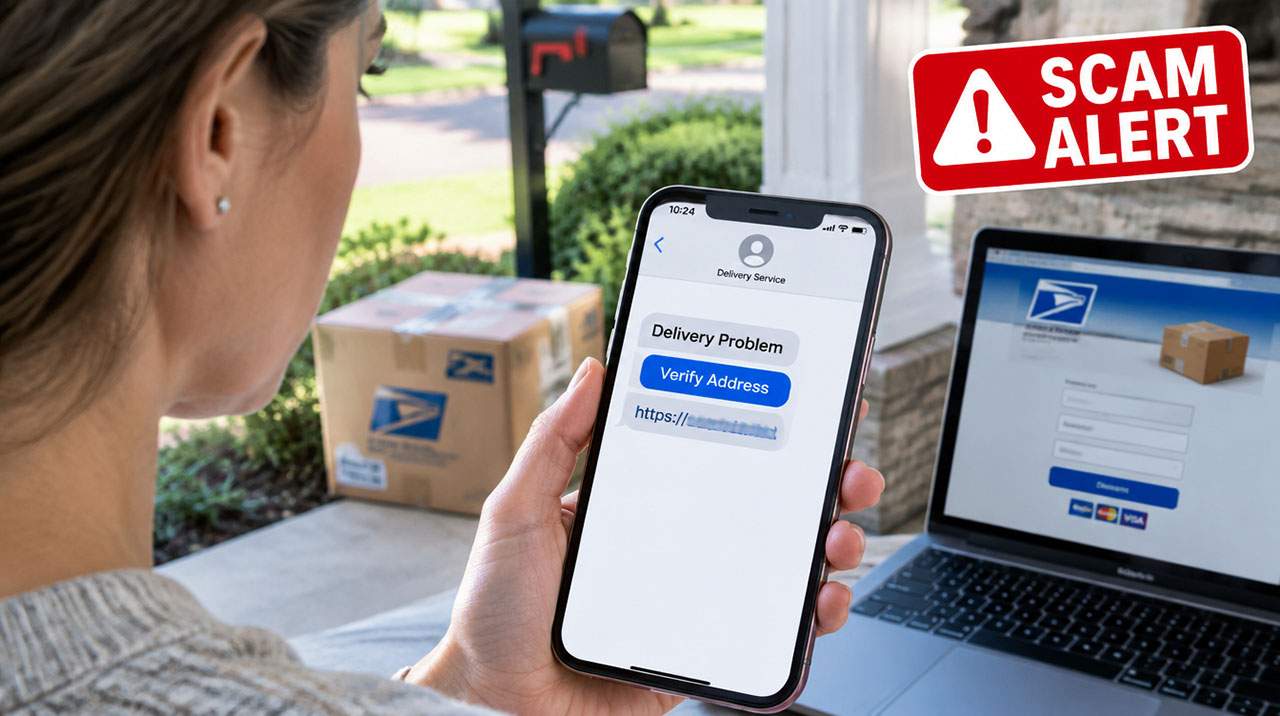
The first thing to check is whether you are actually expecting a delivery. However, even if you are expecting a package, don't assume an unsolicited USPS text is legitimate. USPS does send legitimate text notifications, but you generally need to request them.
Some other things you can look out for:
- Urgency: A prompt to provide personal information within a short deadline is a red flag. Urgency is designed to pressure you into acting without carefully examining the message.
- Poor grammar and spelling: Spelling and grammar errors can be a red flag, although their absence doesn't prove a text is legitimate. Be particularly cautious of messages that contain unusual or unnecessary wording.
- Text comes from a cell number: USPS uses five-digit short codes for its SMS services, and legitimate notifications are generally tied to a service or tracking request initiated by the customer. Be suspicious of unexpected messages from unfamiliar numbers.
- Link to click/press: USPS says its text messages do not include links. Never click a link in an unsolicited USPS SMS.
Instead of clicking the link, go to the USPS website and log in to your account, if you have one. If you’re expecting a parcel and have a tracking number, you can enter that number on the USPS home page to check its status.
You can also report a scam SMS to the U.S. Postal Inspection Service. Forward the suspicious text to 7726 (SPAM) or email it to [email protected]. You can also report the scam through the Postal Inspection Service's online reporting system.
For more advice on smishing and other scams, sign up for Scam Detector’s Scam Alerts. You’ll get updates on the latest scams straight into your inbox, helping you stay safe.
Verify Another website
Are you just about to make a purchase online? See if the website is legit with our validator:
vldtr®

TOP MUST-WATCH FRAUD PREVENTION VIDEOS
1. Top 5 Amazon Scams in 2024 2. Top 5 PayPal Scams in 2024 3. How to spot a scam Email in 2024
When my sweet old grandmother got caught up in an Amazon gift card scam, I decided then and there that I needed to do whatever I could to inform as many people as possible about the grifters of the world. That’s what I do here – writing about modern scams so you don’t get caught out.