
There are so many ways that people connect these days. People make professional connections over LinkedIn. Social media groups and pages make it easier than ever to find like-minded souls. Dating apps create romantic connections that can persist online for months without anyone ever meeting up.
Scammers thrive in these environments. They leverage the need for meaningful professional, social, and romantic connections to perpetrate long-term fraud. The pig butchering scam is a prime example of this. Scammers act as if they like and respect the victim, getting to know them over weeks and months, before offering financial “advice” that ends up being a cover for fraud.
Scam Detectors Most Trusted Websites in Online Security
- Guard.io (100): Protect your digital world on any device – Guardio stops scams and phishing in their tracks.
- Incogni.com (100): Delete your personal data from the internet and protect against scams and identity theft.
- ExpressVPN (100) Stay secure and anonymous online - Best VPN Out There
Learn more about the pig butchering scam and how to avoid it below.
How the Pig Butchering Scam Works
It’s called the pig butchering scam because scammers describe cultivating a victim's trust as “fattening” them up before cashing in. The term has been criticized as dehumanizing, and INTERPOL has advocated replacing it with “romance baiting,” which describes the relationship-building and emotional manipulation used in these scams.
The victim may receive a text from a “wrong number,” or someone might reach out via a social media platform. If the victim doesn’t immediately shut them down, they’ll start building a relationship, using data they’ve gathered to demonstrate shared interests and beliefs, making the victim feel seen and appreciated.
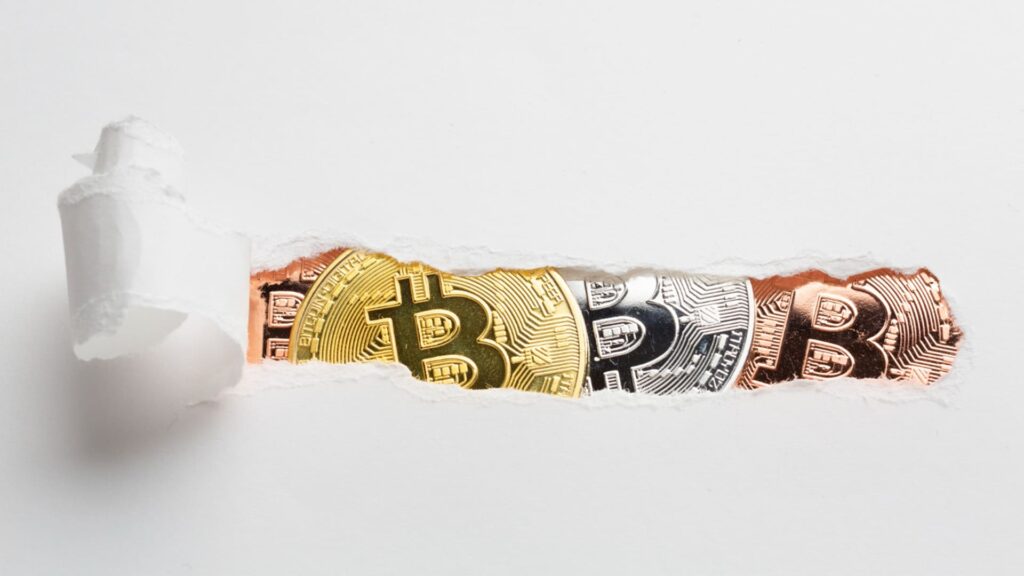
After the connection between the two people seems secure, suddenly the scammer mentions an investment scheme they or a relative has “got lucky” with. They’ll talk about how easy it is to make money with a small investment of cryptocurrency, and wait for the victim to ask for more information.

If the victim believes the scammer, they’ll be sent a link, which goes to a very professional-looking, legitimate-seeming investment site. They invest in cryptocurrency through platforms and wallets controlled by the scammers, and they can see charts and figures that appear to show their money growing. The scammer stays involved, asking how it’s going, praising them for making good decisions.
The true fraud comes when the victim tries to withdraw the funds. Suddenly, there’s a tax to pay, or an admin fee. They pay it, and more fees are required. By the time they realize it’s a scam, their money may have been transferred through multiple crypto wallets and platforms in an attempt to obscure its trail.
Some scams may even have a secondary aspect, where a fake law enforcement officer calls and offers to help them get their money back – for a fee.
How to Spot and Avoid a Pig Butchering Scam
People will rarely contact you out of the blue and suddenly want to start a relationship. Ask yourself if you know anything about this person. Was their social media profile created recently, or does it contain little history? Do you have any shared connections? In most cases, the scammer will be someone you have never heard of before who has no other connections in your life. This is a red flag, and you should never take financial advice from someone you meet online.
Other red flags to look out for:
- The investment or crypto platform they recommend has little or no independently verifiable information about it.
- There’s no way to contact that company.
- There’s no option to invest in anything other than cryptocurrencies.
- The person mentions crypto or investment unprompted,
- They become unusually invested in your finances.
If you’ve become friends or more with someone online and they suddenly start recommending financial services, the best advice is to terminate that relationship immediately. This is not normal behavior and is almost certainly trying to trick you into a scam.
Be especially wary of anyone who contacts you afterward claiming they can recover your lost cryptocurrency for a fee. The FBI warns that paying for purported recovery services can lead to another loss.
For more advice on long-term fraud, sign up for Scam Detector’s Scam Alerts. You’ll get regular updates straight into your inbox to keep you informed on the latest scams and how to avoid them.
Verify Another website
Are you just about to make a purchase online? See if the website is legit with our validator:
vldtr®

TOP MUST-WATCH FRAUD PREVENTION VIDEOS
1. Top 5 Amazon Scams in 2024 2. Top 5 PayPal Scams in 2024 3. How to spot a scam Email in 2024
When my sweet old grandmother got caught up in an Amazon gift card scam, I decided then and there that I needed to do whatever I could to inform as many people as possible about the grifters of the world. That’s what I do here – writing about modern scams so you don’t get caught out.