
Ever made a complaint about your vehicle online? You’re not alone. Tesla owners sometimes post complaints about software issues, repair delays, and customer service on social media and review sites. But public complaints can also attract scammers posing as company representatives.
Sometimes, those complaints appear to be followed up almost instantly by a helpful customer service agent, wanting to help fix the Tesla driver’s problem as quickly as possible. In most cases, these replies are from scammers trying to extort money from the complainant.
Scam Detectors Most Trusted Websites in Online Security
- Guard.io (100): Protect your digital world on any device – Guardio stops scams and phishing in their tracks.
- Incogni.com (100): Delete your personal data from the internet and protect against scams and identity theft.
- ExpressVPN (100) Stay secure and anonymous online - Best VPN Out There
Learn more about the fake Tesla support scam and how to avoid it below.
How the Fake Tesla Support Scam Works
Scammers use bots to scan social media platforms and review sites for keywords that indicate someone has complained about their Tesla. These complaints might be about poor communication, build quality, failed refunds, or any other issue that causes frustration.
Within minutes of posting the rant, the complainant will receive a reply that looks very official: a Tesla logo, a Tesla-branded handle that resembles an official support account, and language similar to that used by real Tesla support agents.
The reply from “Tesla” will usually contain an apology and an offer to continue the conversation on another platform, like WhatsApp or Telegram. These are unmonitored channels and easier for scammers to use undetected.
If the complainant agrees to converse off-platform, the next messages will usually contain an offer to expedite the service they require – for a fee. The scam victim pays a “fully refundable deposit,” often in cryptocurrency or using a gift card, to get their query handled quicker. Once the fake Tesla support agent has the money, they disappear, deleting their account and any trail back to them.
Protect Yourself From Fake Support Scams
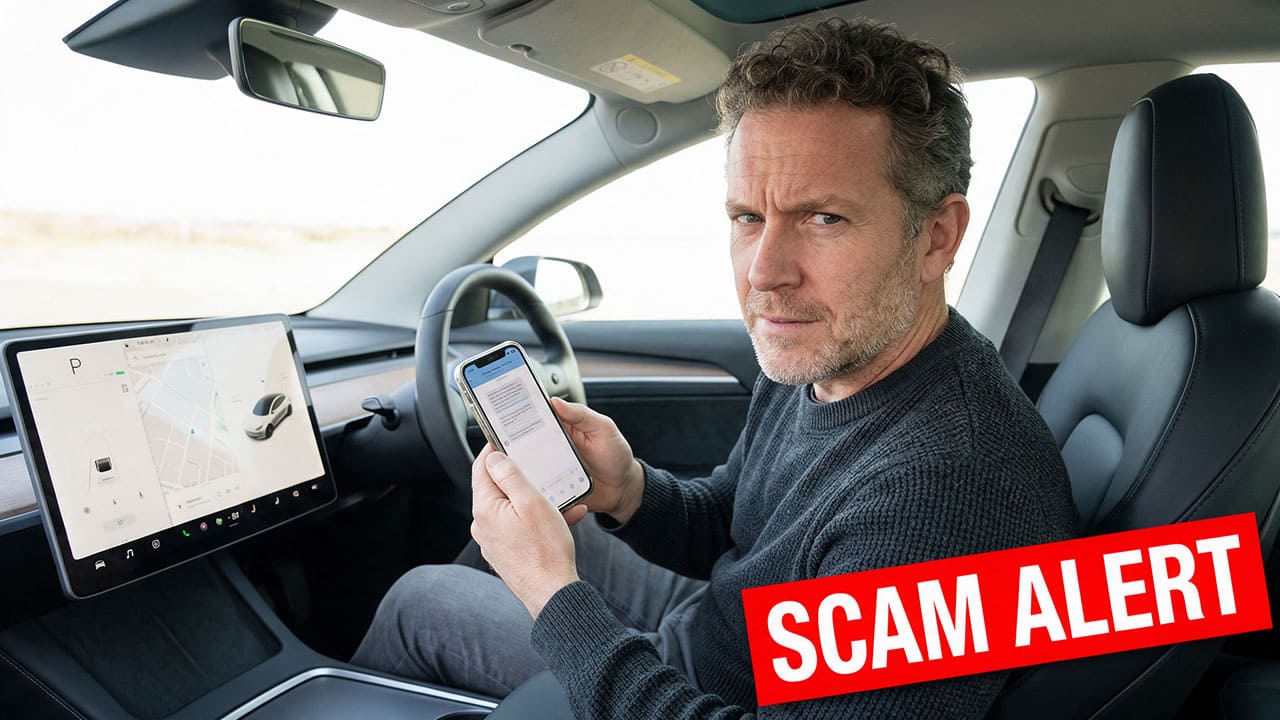
Scammers can use fake profiles and automated tools to target multiple people, so a prompt reply to a public complaint should not automatically be treated as legitimate. Remember:
- The official Tesla support team won’t ask to chat with you on WhatsApp or Telegram, or another third-party app.
- Tesla also won’t ask for fees in this way – any charges will be quoted ahead of arranging repairs or other services.
- Tesla will also never ask for payment via cryptocurrency or other non-standard payment options.
If you accidentally interacted with a fake Tesla support scam, or paid a fee to a scammer, let your bank or other financial institution know so they can attempt to freeze or retrieve the payment.
You can also report scam messages to the platform they appeared on, whether that’s X (Twitter), Facebook, or a review site.
Stay Safe From Customer Support Scams
Tesla handles all its customer support and service engagements via the official website or app. Log in there to check the progress of service requests, and log any complaints to keep yourself as safe as possible from malicious actors who impersonate Tesla agents.
Sign up for Scam Detector’s Scam Alerts for more ways to stay safe when engaging with online support services. You'll receive email updates on identifying fake support messages and avoiding other online scams.
Verify Another website
Are you just about to make a purchase online? See if the website is legit with our validator:
vldtr®

TOP MUST-WATCH FRAUD PREVENTION VIDEOS
1. Top 5 Amazon Scams in 2024 2. Top 5 PayPal Scams in 2024 3. How to spot a scam Email in 2024
When my sweet old grandmother got caught up in an Amazon gift card scam, I decided then and there that I needed to do whatever I could to inform as many people as possible about the grifters of the world. That’s what I do here – writing about modern scams so you don’t get caught out.