

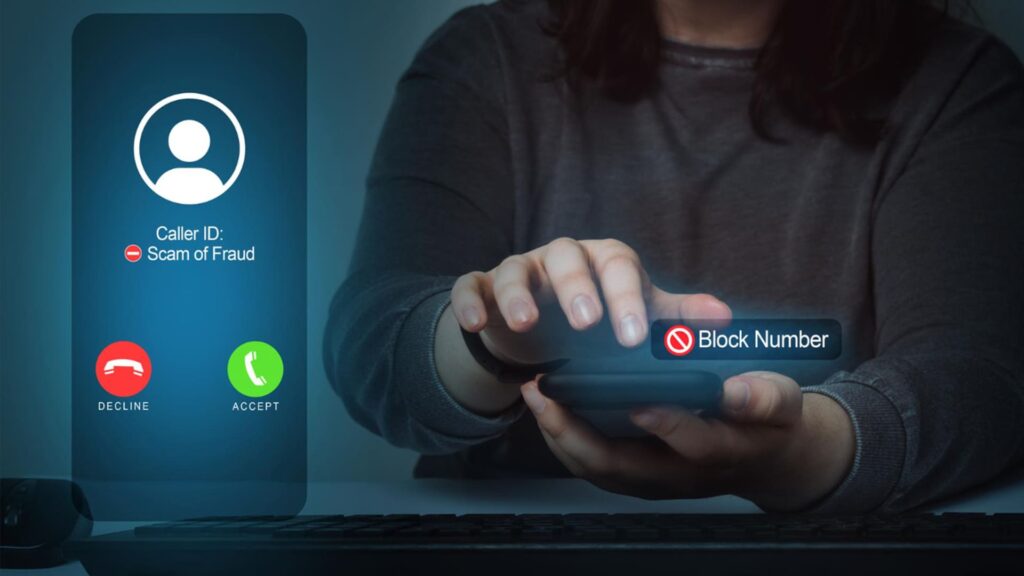
Apple’s FaceTime is generally considered a trustworthy method of communication. After all, it’s commonly associated with close friends and family, people you already have in your iPhone’s contacts and are happy to have personal video calls with.
Scammers are starting to leverage that trust, pretending to be financial institutions over the phone, then switching to FaceTime to “prove” that they’re really from the company or bank they say they’re from.
Scam Detectors Most Trusted Websites in Online Security
- Guard.io (100): Protect your digital world on any device – Guardio stops scams and phishing in their tracks.
- Incogni.com (100): Delete your personal data from the internet and protect against scams and identity theft.
- ExpressVPN (100) Stay secure and anonymous online - Best VPN Out There
Victims of these FaceTime bank scams can inadvertently reveal personal details or even login information, leaving themselves vulnerable to fraud and theft. Learn more about the FaceTime phone scam below, and how you can avoid it.
How the FaceTime Phone Scam Works
FaceTime bank scams usually start with a message that appears to come from your bank. It might say that there’s suspicious activity on your debit or credit card, or that you need to contact the bank to confirm a transaction.
Sometimes there’s a number to call, and sometimes you’re asked to reply, at which point someone will call you. Other scams start with a phone call from someone claiming to be from your bank.
They will be quite convincing and may have enough of your personal information to make you believe that the call is genuine. They will say that they need to get access to your account, but for security reasons, they’re going to help you log in.
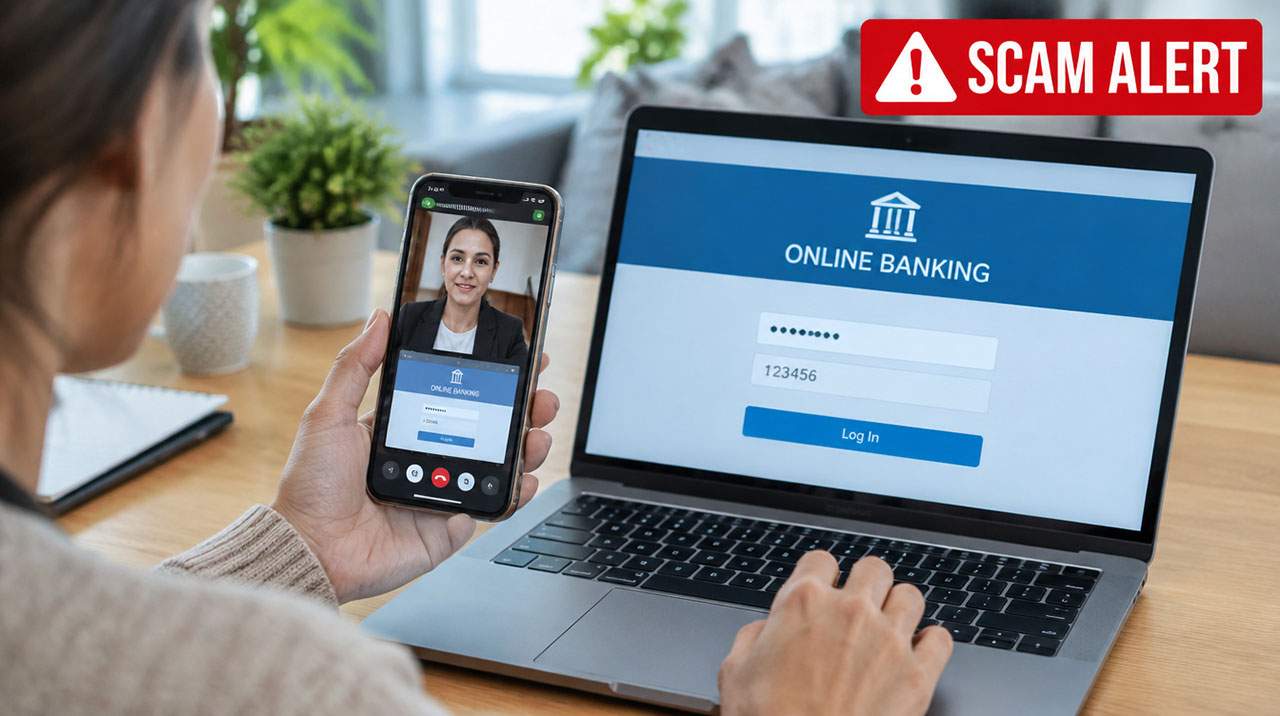
At this point, the audio call may switch to FaceTime. You can see the “bank representative,” who may appear to be in a bank call center or other official-looking setting.
They will ask you to share your screen as you log in to your bank account online or using the app. If you do this, they can see information displayed on your screen, potentially including usernames, passwords, one-time codes, and other personal information. They may also already have some of your login details, but need the one-time code or password (OTP) that you receive via two-factor authentication (2FA). If you’re screen sharing, they might see that appear, make a note of it, and potentially access your account.
At this point, they may be able to use the information they've obtained to access accounts, steal personal information, or attempt unauthorized transfers.
How to Handle FaceTime Bank Scams
Here are some tips for staying safe from the FaceTime phone scam:
- Be skeptical of urgency requests: A caller pressuring you to act immediately is a red flag, particularly if they threaten to freeze your account or claim you need to move money to protect it.
- Don’t trust an unsolicited FaceTime call from a bank: If someone claiming to represent your bank contacts you unexpectedly through FaceTime, hang up and contact the bank using an official number.
- Use existing contact details: Contact your bank via the usual channels, not a phone number or link you receive in a text message.
- Never give out 2FA or share screens: One-time codes used for 2FA are not meant to be shared with callers, so don’t tell someone your code. Never share your screen with an unsolicited caller claiming to represent your bank.
In some versions of these scams, callers will ask you to move money for fraud prevention purposes. Never move money at the advice of an unknown third party, and always contact your bank through the usual channels to find out if there is, in fact, a problem with your account.
Stay Safer Online
Scammers target FaceTime because it’s a trusted way to communicate. Be discerning and make sure you’re only using these trustworthy methods with people you actually know. For more advice on staying safe on your phone or online, sign up for Scam Detector’s Scam Alerts. You’ll get updates straight into your inbox with helpful tips for avoiding scams just like this.
Verify Another website
Are you just about to make a purchase online? See if the website is legit with our validator:
vldtr®

TOP MUST-WATCH FRAUD PREVENTION VIDEOS
1. Top 5 Amazon Scams in 2024 2. Top 5 PayPal Scams in 2024 3. How to spot a scam Email in 2024
When my sweet old grandmother got caught up in an Amazon gift card scam, I decided then and there that I needed to do whatever I could to inform as many people as possible about the grifters of the world. That’s what I do here – writing about modern scams so you don’t get caught out.