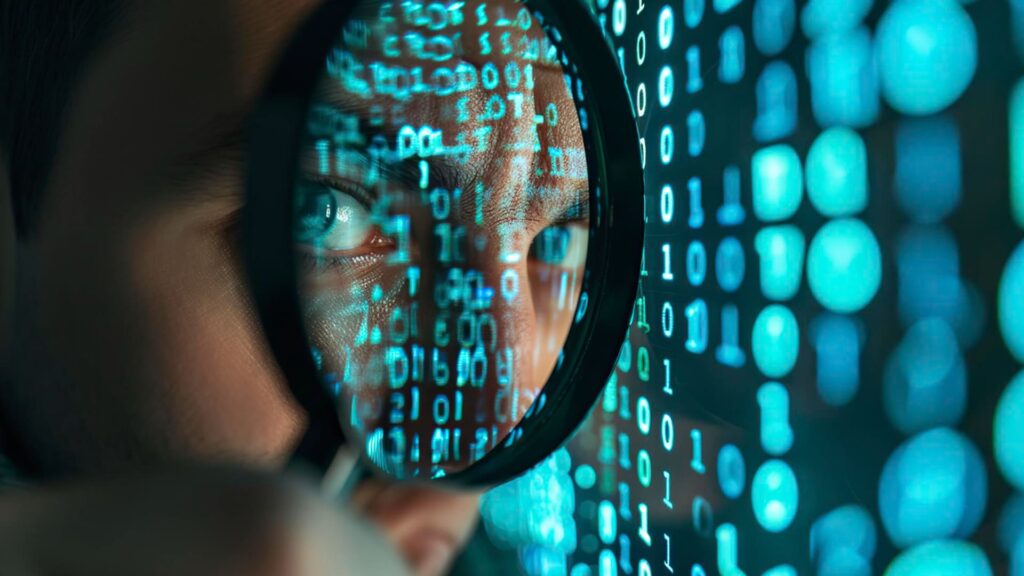
Could you be receiving messages and emails from scammers that look identical to real people and companies? It’s possible, thanks to homoglyph attacks that replace letters and other characters with ones that look almost identical.
Read on to understand homoglyph scams and how to avoid them.
Scam Detectors Most Trusted Websites in Online Security
- Guard.io (100): Protect your digital world on any device – Guardio stops scams and phishing in their tracks.
- Incogni.com (100): Delete your personal data from the internet and protect against scams and identity theft.
- ExpressVPN (100) Stay secure and anonymous online - Best VPN Out There
What Are Homoglyph Attacks?
A homoglyph is a character that looks very similar or identical to another character. Examples include:
- a and а (the second a is from the Cyrillic alphabet)
- a and α (the second letter is from the Greek alphabet)
- I and ǀ (uppercase i and lowercase L, which can look similar in some fonts
- O and 0 (uppercase O and zero)
Scammers use homoglyphs to imitate genuine domains that you may be willing to interact with. If you see an email from sender@goógle.com, you may think it’s from Google, but a closer inspection reveals an accent over one of the “o”s, showing it’s a fake.
Homoglyph attacks may work by:
- Bypassing spam, junk, and malware filters
- Encouraging recipients to click links in emails
- Helping scammers create real-seeming sites with domain names that appear genuine
In most cases, these scams are aimed at gathering personal data, such as account login details, or tricking you into making payments.
How to Spot Homoglyph Scams
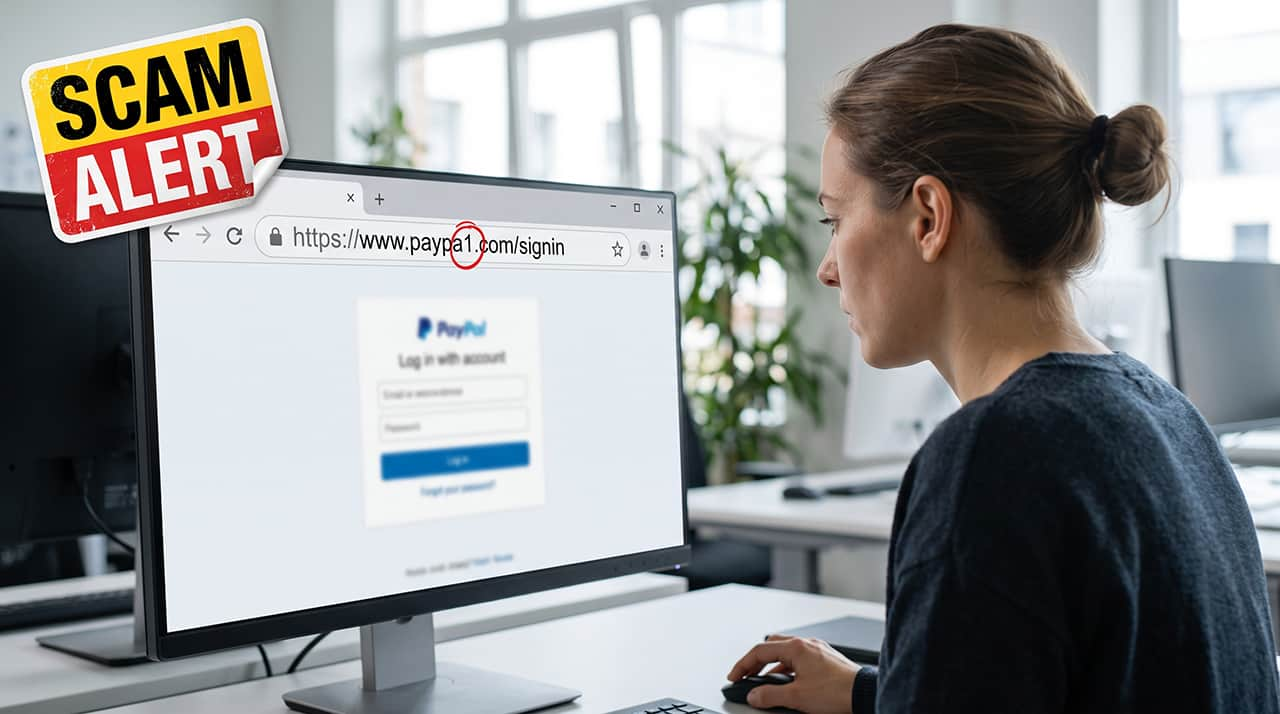
Because they’re almost identical to genuine domain names, homoglyph scams can be tricky to spot. However, there are a few tips you can follow:
- Check email addresses carefully. If something looks off, don’t trust it.
- Never click a link in an email, even if you trust it. Head to your account or the site via the usual channels, such as a company’s official website or app.
- If the message appears to come from a friend or family member, contact them through another channel (e.g., phone) to determine if they actually emailed you.
- Watch out for emails or messages prompting you to check things urgently. Missed payments or urgent notifications should be checked on official apps and websites rather than via a link in an email.
Any email or message that is trying to get you to do something “right now” is a red flag. Even when a company requires payment, they will provide clear timescales and be professional.
You can screenshot any messages like this and report them to the fraud department of the company they’re trying to impersonate.
If you think you may have entered login details for any account into a fake website, change your passwords immediately. Never use the same password for different accounts, because a scammer only needs to obtain one password to access multiple accounts. Keep your passwords and other login details secure and never share them with anyone, even the companies they relate to. A representative of a genuine organization will never ask you for your password.
Staying informed is the best way to stay safe from homoglyph scams. Sign up for Scam Alerts from Scam Detector for regular updates straight into your inbox. With the right info, you’re more likely to know what to do with suspicious emails or messages.
Verify Another website
Are you just about to make a purchase online? See if the website is legit with our validator:
vldtr®

TOP MUST-WATCH FRAUD PREVENTION VIDEOS
1. Top 5 Amazon Scams in 2024 2. Top 5 PayPal Scams in 2024 3. How to spot a scam Email in 2024
When my sweet old grandmother got caught up in an Amazon gift card scam, I decided then and there that I needed to do whatever I could to inform as many people as possible about the grifters of the world. That’s what I do here – writing about modern scams so you don’t get caught out.