The cost-of-living adjustment (COLA) for Social Security payments can make a big difference if you rely on your payments to pay your bills and buy your groceries. COLA amounts are announced in October, and scammers may try to take advantage of people eager to learn about their payment increases.
Discover how to spot a Social Security COLA increase scam and how these scams work below.
Scam Detectors Most Trusted Websites in Online Security
- Guard.io (100): Protect your digital world on any device – Guardio stops scams and phishing in their tracks.
- Incogni.com (100): Delete your personal data from the internet and protect against scams and identity theft.
- ExpressVPN (100) Stay secure and anonymous online - Best VPN Out There
How a Social Security Benefit Boost Scam Works
A COLA increases Social Security benefits based on changes in the cost of living, as measured by the Consumer Price Index for Urban Wage Earners and Clerical Workers (CPI-W). The adjustment is automatic, and recipients don't need to take action to receive it.
However, because people are waiting for the announcement, they may be vulnerable to messages and alerts about the increase. These can come in the form of:
- Text messages
- Letters
- Emails
- Social media posts
- Online ads
- Phone calls
Two common versions of these scams involve payment requests or attempts to steal personal information. One asks for a small fee to process the increase. The victim may think that it’s fair enough to pay a few dollars for their monthly increase and send the scammer the requested money.
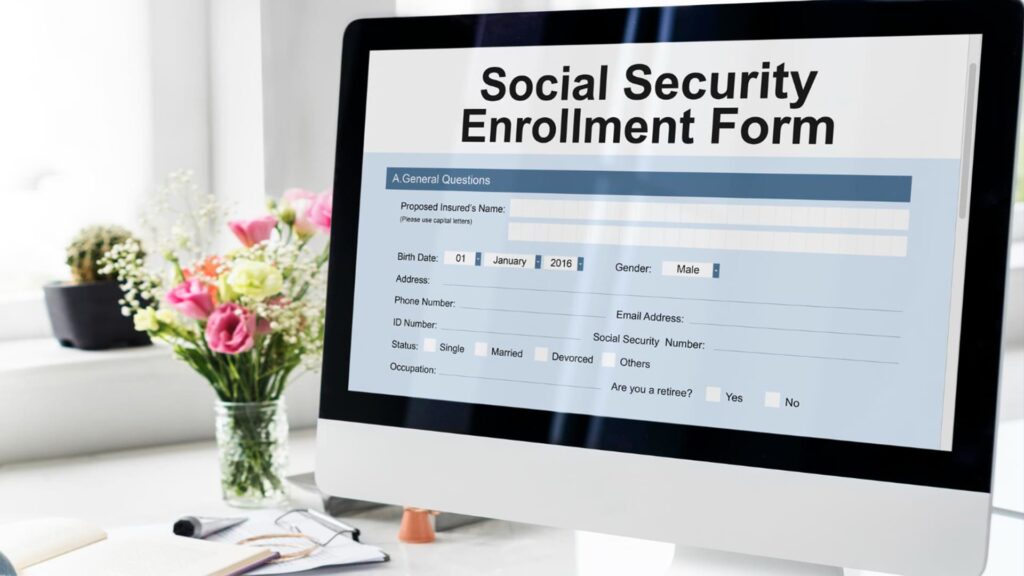
Another type of Social Security benefit boost scam directs victims to a link where they can enter their personal or financial information to ensure the increase is processed. The link may lead to an official-looking site that mimics the official Social Security Administration (SSA) portal. If they enter their bank details and Social Security number, or other sensitive information, it can leave victims vulnerable to financial loss and identity theft.
How to Spot a Social Security COLA Increase Scam
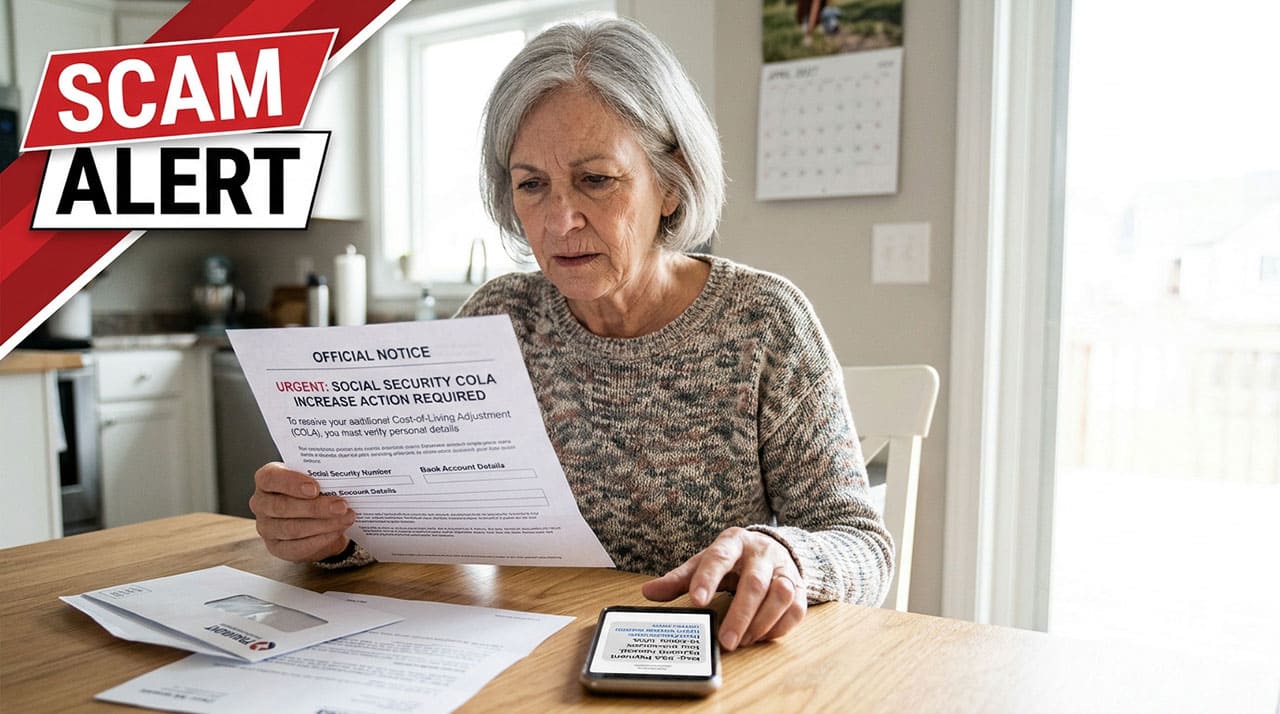
The main thing to remember is that you don't need to pay a fee or provide additional personal information to receive a legitimate COLA increase. You don't need to pay a fee or provide additional information to receive your increase.
Even if a so-called SSA employee provides credentials, never make a payment or give your bank details, and never give your Social Security number to anyone. Scammers may provide images of employee IDs, badges, or other credentials to make their messages seem legitimate. SSA warns that its employees will not send photographs of credentials or badges to demand payment.
Be especially cautious of unsolicited requests to “reconfirm” or “verify” your benefit details. Don't provide personal or financial information in response to an unexpected message claiming to be from SSA.
Stay Safe From Scammers
Scammers send these fake alerts out because they know people are waiting for updates about their Social Security payments. You can stay vigilant by:
- Remembering that the Social Security Administration will not charge you a fee to receive a COLA or activate a benefit increase
- The SSA will not ask for sensitive personal or financial information through an unsolicited social media message, email, or text.
- COLA is adjusted automatically and doesn’t require any intervention from you.
If you think you’ve been sent a Social Security COLA increase scam email message, call, or letter, report it to the Social Security Administration Office of the Inspector General through its official website.
For ongoing advice on the latest scams, sign up for Scam Detector’s Scam Alerts. You’ll get updates straight into your inbox with helpful tips for avoiding Social Security scams.
Verify Another website
Are you just about to make a purchase online? See if the website is legit with our validator:
vldtr®

TOP MUST-WATCH FRAUD PREVENTION VIDEOS
1. Top 5 Amazon Scams in 2024 2. Top 5 PayPal Scams in 2024 3. How to spot a scam Email in 2024
When my sweet old grandmother got caught up in an Amazon gift card scam, I decided then and there that I needed to do whatever I could to inform as many people as possible about the grifters of the world. That’s what I do here – writing about modern scams so you don’t get caught out.