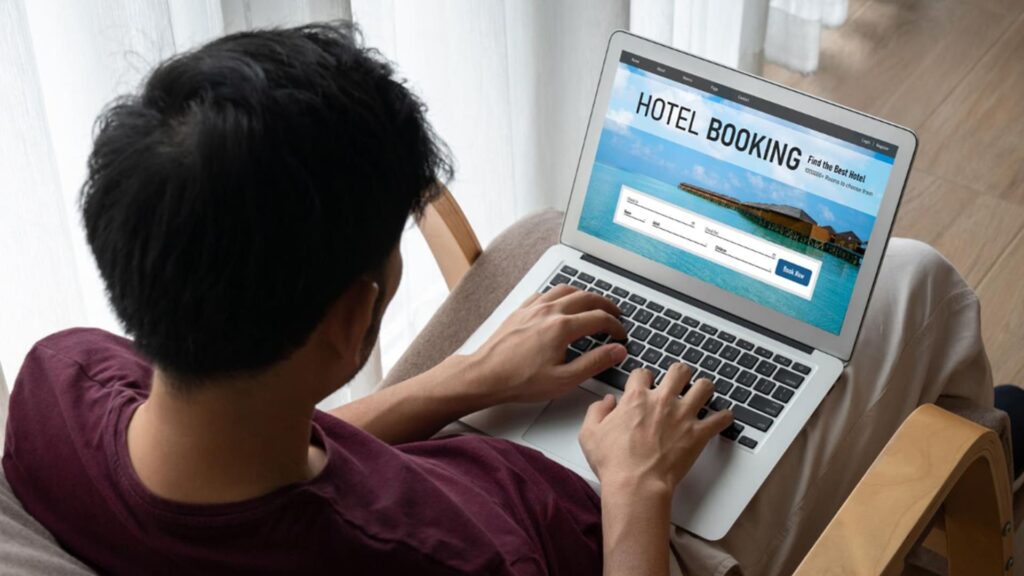
Online travel is a massive business. Recent statistics suggest that globally, travelers spend over $1.2 trillion on bookings, including accommodation like hotels, Airbnb-style apartments, and hostels. When you book online, providers take and store personal details like your name, address, email address, and more.
That's why reports of cyberattacks affecting Booking.com accounts are so concerning. It was reported in April 2026 that hackers had stolen customer data from the travel giant and were now potentially using it for reservation hijacking scams.
Scam Detectors Most Trusted Websites in Online Security
- Guard.io (100): Protect your digital world on any device – Guardio stops scams and phishing in their tracks.
- Incogni.com (100): Delete your personal data from the internet and protect against scams and identity theft.
- ExpressVPN (100) Stay secure and anonymous online - Best VPN Out There
Understanding these scams and how to spot them helps keep you safer online and book your next trip away with confidence.
How Reservation Hijacking Scams Work
The Booking.com breach is problematic because not only can malicious actors gain access to personal information, but they can also see your exact travel plans, including:
- Accommodation name
- Check-in and check-out dates
- How much you’ve spent or still have left to pay
Booking.com has not publicly disclosed the full scope of the incident. However, they did confirm that criminals had been able to access full details of past and present bookings for the customers affected.
The result: Reservation hijacking scams, where bad actors use this information to create fake communications stating deposits had failed, and they require upfront payments, or they ask for confirmation of personal details.
Sometimes, the requests are sent through the booking agent’s actual website. If a criminal still has access to the agent’s platform, they can resend confirmation of the details, adding a note that contains a malicious link. On other occasions, the stolen data is used to craft emails or messages that look very real, especially since all the travel information will be accurate.
The customer will see these messages, click the link or agree to continue the conversation on another platform, and proceed to enter payment details or other sensitive information that leaves them vulnerable to fraud.
Signs You’ve Received a Scam Reservation Message
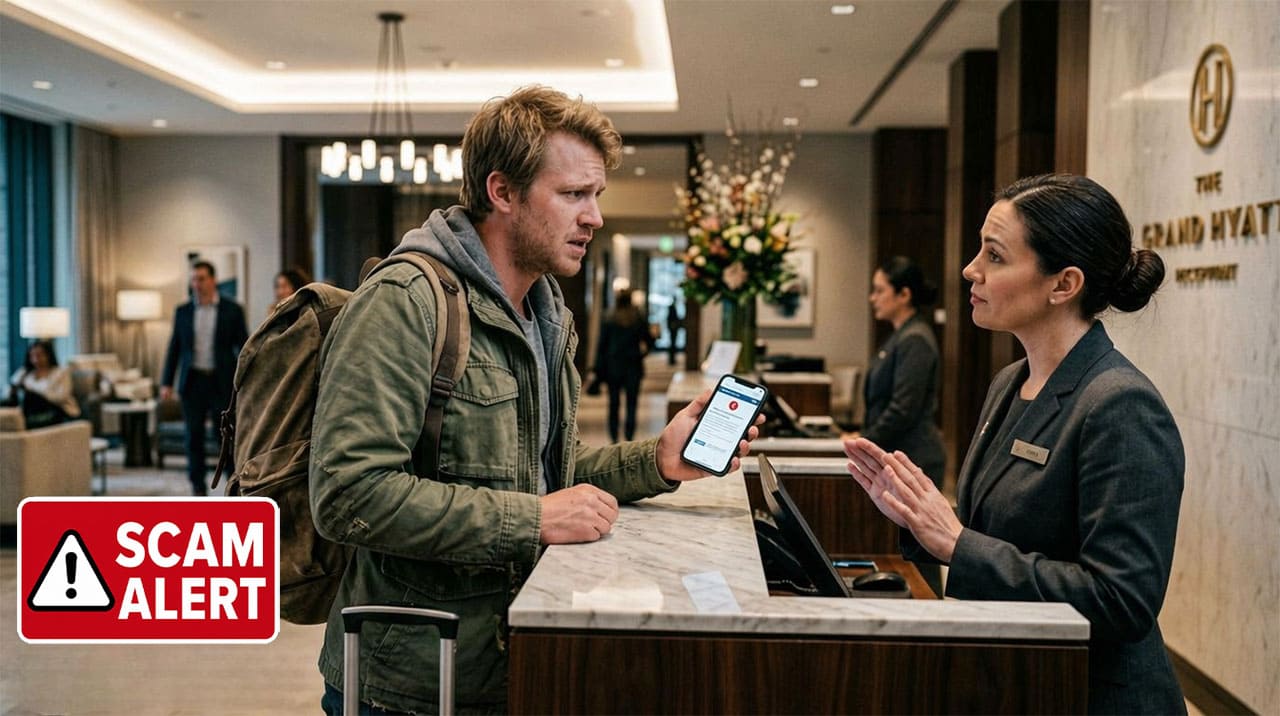
Don’t assume that a message is genuine simply because it has come from the booking agent. It could be the result of a hack or data breach.
Look out for:
- Links sent in the “notes” or “additional information” section of the email, rather than the main body.
- Requests to chat on WhatsApp or Telegram.
- Sudden requests for “immediate payment” or statements that payments have failed, when you know they haven’t.
- Requests for payment method verification or to re-enter personal details you already provided.
If the accommodation host or hotel owner contacts you directly, it will normally be via their own email accounts or via the agent’s messaging service. However, if you’re unsure if the message is genuine, visit the accommodation’s official website and send a message to their help desk, or find a telephone number, and call and speak to a real person.
Protect Yourself From Reservation Hijacking Scams
While reservation hijacking scams can look very real, you can keep yourself safe by only providing information through the official channels. Never use a third-party link, site, or platform outside the booking agent you already used. Booking through the accommodation's official website can reduce the risk of phishing scams and may sometimes even result in a lower price.
Keep yourself up to date with common online fraud, including reservation hijacking scams, by signing up for Scam Detector’s Scam Alerts. With regular updates sent straight into your inbox, it’s easier to stay one step ahead of criminals.
Verify Another website
Are you just about to make a purchase online? See if the website is legit with our validator:
vldtr®

TOP MUST-WATCH FRAUD PREVENTION VIDEOS
1. Top 5 Amazon Scams in 2024 2. Top 5 PayPal Scams in 2024 3. How to spot a scam Email in 2024
When my sweet old grandmother got caught up in an Amazon gift card scam, I decided then and there that I needed to do whatever I could to inform as many people as possible about the grifters of the world. That’s what I do here – writing about modern scams so you don’t get caught out.