
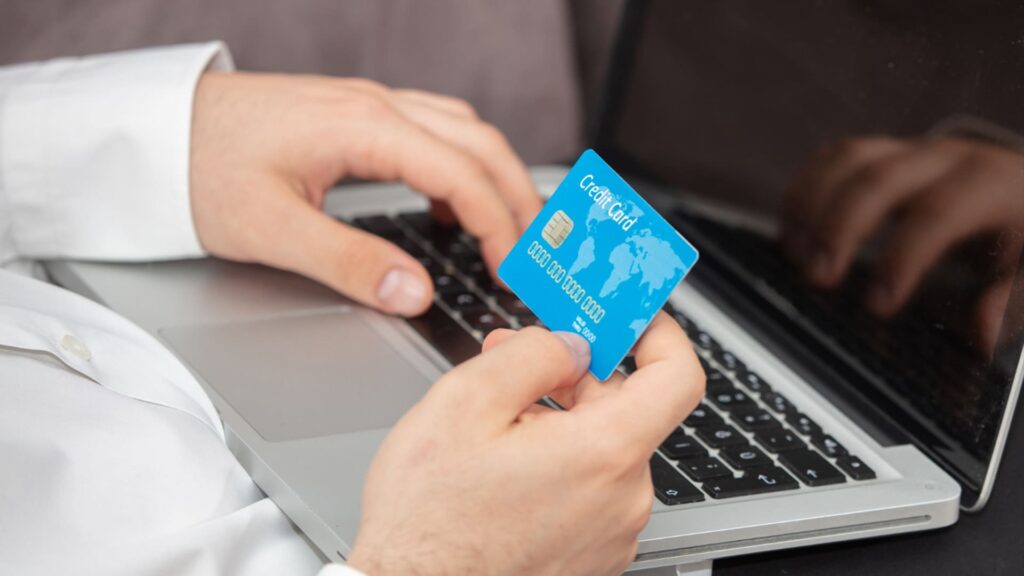
Credit and debit cards are intentionally designed with multiple numerical codes that you have to enter every time you want to make a payment online. That includes the card number itself, plus the expiry date and the CVV – the three-digit code on the back of the card.
You might assume it’s impossible for hackers to guess all of those numbers. Unfortunately, with modern technology, it’s not. Today’s cybercriminals are increasingly using a banking scam called BIN attack fraud to work out card numbers and use them for fraudulent transactions.
Scam Detectors Most Trusted Websites in Online Security
- Guard.io (100): Protect your digital world on any device – Guardio stops scams and phishing in their tracks.
- Incogni.com (100): Delete your personal data from the internet and protect against scams and identity theft.
- ExpressVPN (100) Stay secure and anonymous online - Best VPN Out There
What Is BIN Attack Fraud?
To understand BIN attack fraud, we first need to look at the BIN acronym itself. BIN stands for Bank Identification Number. Every bank has one of these numbers, and they’re also featured on credit and debit cards. The first six to eight digits of the card number are the BIN. So, if cybercriminals can learn your BIN, they’re already on the way to figuring out your full card number.
That’s essentially the crux of how the BIN banking scam works – it involves cybercriminals using known BINs and brute-force software to try to work out victims’ card details. Once they succeed, they can use the stolen card information to make payments online, or they could sell the details on the dark web for other criminals to use.
How Does a BIN Card Scam Work?
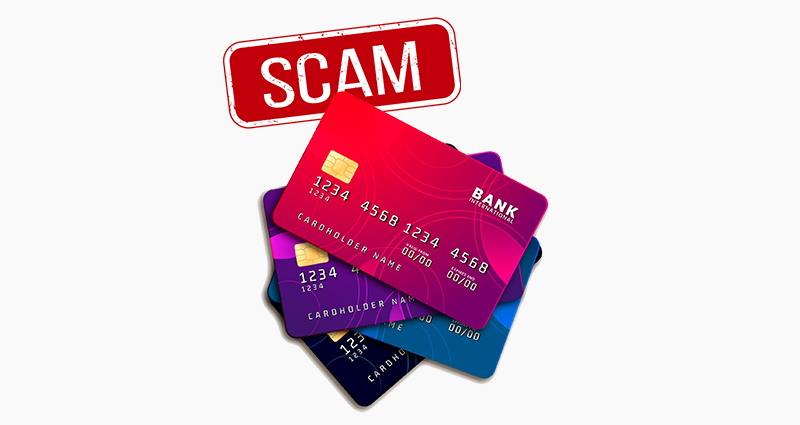
A typical BIN card scam involves the following steps:
- Bank Selection: Scammers pick a target bank and obtain its BIN, which is public knowledge and easy to find online. Criminals can easily access them for the next steps of their attacks.
- Brute Force Software: Criminals then use brute force software to generate vast numbers of possible card numbers, based on the BIN selected.
- Testing: They then test the card details generated in the previous step until they find one that works. Often, they do this by attempting very small transactions with each card number.
- Fraud: Once a working card number is found (with the relevant CVV and other information), the hackers can use it to commit fraudulent transactions.
The Impacts of This Financial Scam
BIN attack fraud is problematic for both individuals and businesses. Innocent people can have their card details discovered and stolen without their knowledge. They may then suddenly spot unknown transactions on their bank statements when the hackers start using their own card against them.
Businesses, meanwhile, may face chargebacks, reputational damage, and fines if they are subject to successful BIN scams.
BIN Banking Scam Prevention
Unfortunately, because of the way BIN attack fraud works, everyday individuals have few tools at their disposal to prevent it. They can, however, enable two-factor or multi-factor authentication on their profiles to prevent unauthorized users from making purchases on their accounts, and set up alerts on their banking apps so they know immediately if their card is used to buy something without their knowledge.
Businesses also have more options to detect and stop this banking scam. They can use bot management tools to stop card testing attempts and fraud detection software to spot suspicious transactions and block or flag the associated accounts. Businesses can also integrate additional security and require user verification steps before accepting payment from consumers.
Verify Another website
Are you just about to make a purchase online? See if the website is legit with our validator:
vldtr®

TOP MUST-WATCH FRAUD PREVENTION VIDEOS
1. Top 5 Amazon Scams in 2024 2. Top 5 PayPal Scams in 2024 3. How to spot a scam Email in 2024
When my sweet old grandmother got caught up in an Amazon gift card scam, I decided then and there that I needed to do whatever I could to inform as many people as possible about the grifters of the world. That’s what I do here – writing about modern scams so you don’t get caught out.