

The U.S. Federal Trade Commission (FTC) may send you a check if you’re eligible for a refund from an FTC enforcement action or settlement. For example, in March 2026, the FTC announced it was sending more than $47.2 million out in checks to consumers who had been charged undisclosed fees and other charges by unscrupulous landlords.
Announcements like this alert scammers that it could be the ideal time for them to cash in on the action and send FTC fake checks to unsuspecting recipients. Follow our guide to understanding the difference between fake and real FTC checks.
Scam Detectors Most Trusted Websites in Online Security
- Guard.io (100): Protect your digital world on any device – Guardio stops scams and phishing in their tracks.
- Incogni.com (100): Delete your personal data from the internet and protect against scams and identity theft.
- ExpressVPN (100) Stay secure and anonymous online - Best VPN Out There
Is an FTC Refund Check Real or Fake? Why Scammers Send Fake Checks
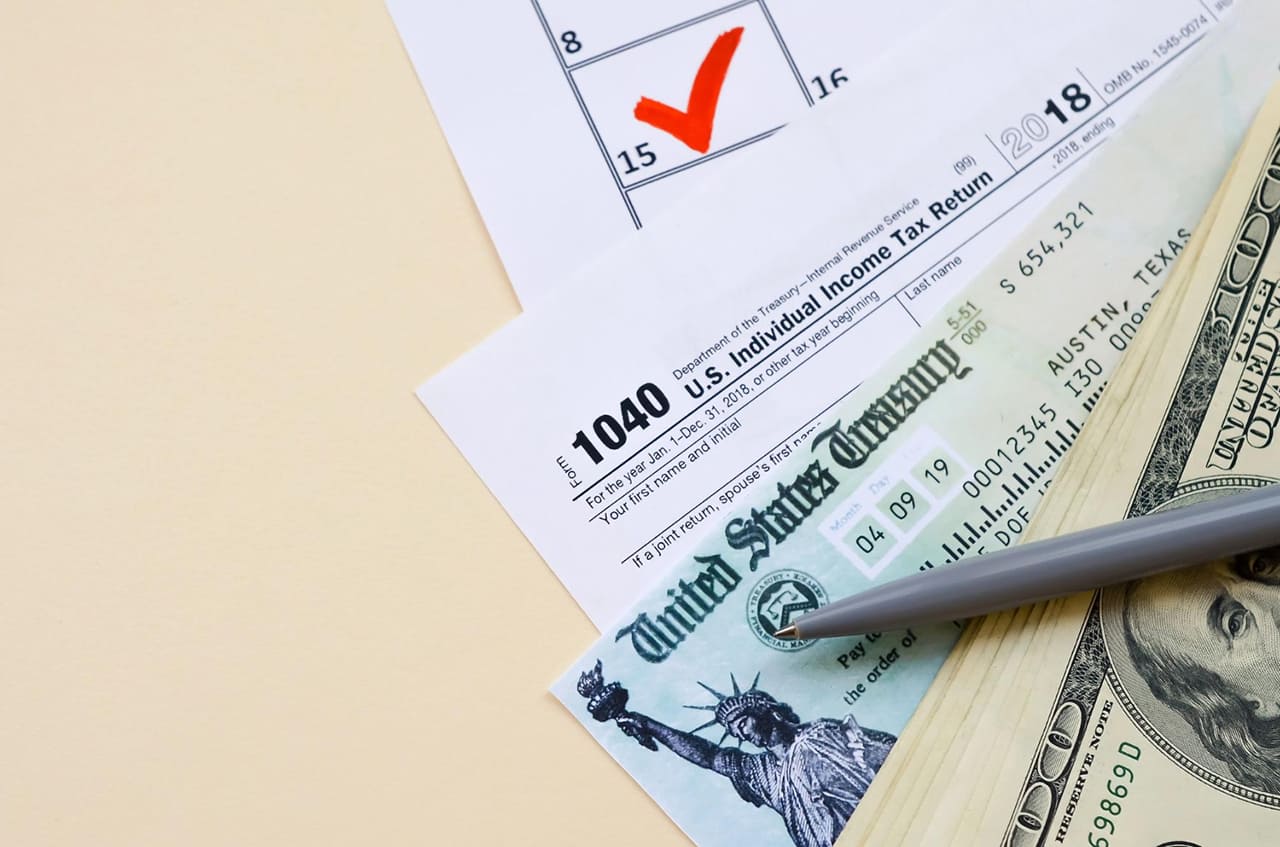
Scammers take advantage of mass check mailing to send fake checks that look convincing enough to prompt recipients to cash them. The check may initially appear to clear, but the bank can later determine that it is fraudulent, leaving the recipient responsible for the money. So, how do FTC fake checks work?
The mailed check is usually accompanied by a phone call, text message, or email. The caller or sender will ask if the individual has received their FTC refund and when they are going to cash it. They will then apologize and say they accidentally sent too large a refund, or that there was an admin error with the check. The scammer asks the victim to send a percentage of the money back, and may make this seem urgent by implying the person could end up in legal difficulties if they don’t transfer the money immediately.
If the victim believes the caller/sender, they will send the requested amount and then cash the fake check, which doesn’t work, leaving them out of pocket.
You can check if your FTC check is real by cross-referencing it with the FTC website to see if the details on the check match a recent settlement. You should also check if the settlement relates to you. For example, if you’ve never rented a property, the recent settlement from landlords won’t be relevant to you, and any check you receive is obviously a fake.
FTC Fake Checks Red Flags
FTC fake checks are often very convincing, but there are some red flags to look out for:
- Smudged logos or printing errors
- Spelling mistakes
- Errors with your name or title
- Requests for processing fees included with the check
- Requests to visit a site or call a number before cashing the check
Anything that suggests you need to hurry and cash the check without checking it’s real is a sign it’s likely a fake.
Keep Yourself Safe From FTC Fake Checks and Other Scams
Not every FTC refund requires consumers to file a claim. In some cases, the FTC or its refund administrator sends payments automatically to consumers identified as eligible. For cases where you’re not sure, contact the FTC directly via their website.
You can stay updated on the latest fraud and scams by signing up for Scam Detector’s Scam Alerts. Get regular news straight into your inbox so you know how to avoid fake checks and other types of fraud.
Verify Another website
Are you just about to make a purchase online? See if the website is legit with our validator:
vldtr®

TOP MUST-WATCH FRAUD PREVENTION VIDEOS
1. Top 5 Amazon Scams in 2024 2. Top 5 PayPal Scams in 2024 3. How to spot a scam Email in 2024
When my sweet old grandmother got caught up in an Amazon gift card scam, I decided then and there that I needed to do whatever I could to inform as many people as possible about the grifters of the world. That’s what I do here – writing about modern scams so you don’t get caught out.