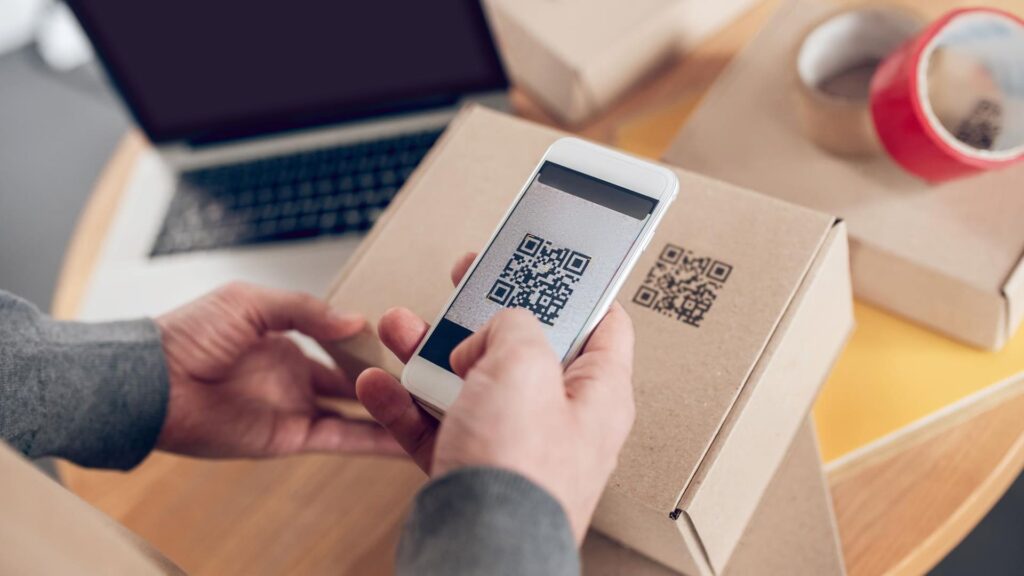
QR codes are designed to make life easy. Simply scan the code for menus, payments, tickets, or parcel tracking, and you instantly have access to the information you need. However, this familiarity with QR codes is an easy way to scam victims. By simply leaving fake delivery labels and missed package notes with malicious QR codes, scammers can steal your personal information.
If you’ve received a parcel or even just a card slipped under the door asking you to scan a code to track or confirm delivery, pause before you grab your phone. You could be the next target of a growing QR code scam.
Scam Detectors Most Trusted Websites in Online Security
- Guard.io (100): Protect your digital world on any device – Guardio stops scams and phishing in their tracks.
- Incogni.com (100): Delete your personal data from the internet and protect against scams and identity theft.
- ExpressVPN (100) Stay secure and anonymous online - Best VPN Out There
How the Scam Works
The scam works in two ways, either printing counterfeit labels on parcels or fake delivery slips through your door. These are convincing and usually in the font and style of real companies sometimes with real logos. The QR code is central to the sticker or flyer and it might say something like “Scan here to schedule redelivery” or “Confirm delivery via QR code.”
However scanning this code won’t take you to an official delivery site, instead it’s a fake webpage that looks exactly like the legitimate courier.
Once there, you’ll be asked to enter personal details, create an account, or pay a small “re-delivery” fee. In some cases, the scan may trigger a download that infects your phone with malware.
This scam is effective because QR codes are part of everyday life, we use them everyday to gain access to a variety of information. Scammers prey on this familiarity to gain valuable data.
Where It’s Happening
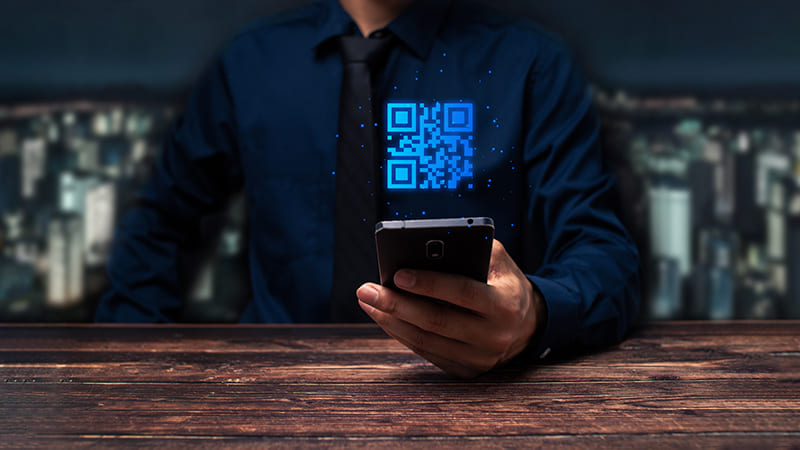
This scam isn’t tied to one country. Reports have come in from the U.S., UK, Australia, and across Europe. The tactics are similar: either the scammer intercepts a genuine delivery and adds a fake label, or they leave a counterfeit “missed delivery” note on your doorstep. The QR code is always central to the trick.
Sometimes, the package appears real; it could be a box you might even be expecting. That’s what makes it so dangerous. The timing and presentation lower your guard just enough to make scanning feel natural.
It becomes especially effective during holiday seasons when people may have multiple online orders in transit and may forget exactly what they’re expecting.
What Happens When You Scan It
In many cases, the code leads to a phishing website designed to steal personal data. These fake pages look just like the login or payment screens of major delivery companies. The goal is to trick you into handing over sensitive information like your name, address, phone number, or credit card details.
In other cases, the QR code may initiate a download, exposing your phone to malicious apps or spyware. Once installed, these can collect passwords, monitor your activity, or even give scammers access to your files and accounts.
What to Do if You’ve Been Targeted
If you scanned the code but didn’t enter any information, you’re likely safe. Just close the page and delete your browsing history. If you did enter details, contact your bank immediately and consider freezing your card. It’s also a good idea to run a security scan on your phone to check for malware.
Report the scam to the courier and fraud agency to protect any other future victims.
Verify Another website
Are you just about to make a purchase online? See if the website is legit with our validator:
vldtr®

TOP MUST-WATCH FRAUD PREVENTION VIDEOS
1. Top 5 Amazon Scams in 2024 2. Top 5 PayPal Scams in 2024 3. How to spot a scam Email in 2024
When my sweet old grandmother got caught up in an Amazon gift card scam, I decided then and there that I needed to do whatever I could to inform as many people as possible about the grifters of the world. That’s what I do here – writing about modern scams so you don’t get caught out.