The Dark Web is certainly an evocative title. Say it to someone, and the images of hackers and criminals lurking in the seedy underbelly of the internet come to mind. Quite simply, though, it’s a subset of the Deep Web and makes up approximately 1% or so of the total web that isn’t indexed by search engines, and not easily accessible to normal users. It gives great levels of privacy and anonymity, but can also be used by scammers to sell data and details.
In this article, we’ll be looking at dark web scams.
Scam Detectors Most Trusted Websites in Online Security
- Guard.io (100): Protect your digital world on any device – Guardio stops scams and phishing in their tracks.
- Incogni.com (100): Delete your personal data from the internet and protect against scams and identity theft.
- ExpressVPN (100) Stay secure and anonymous online - Best VPN Out There
The Promise of the Dark Web
The Dark Web isn’t solely the domain of scammers and criminals. In fact, hacktivists, computer enthusiasts (and sometimes the conspiracy-minded) use it frequently. Due to the specific software required, lack of guard rails, and tech-savvy requirements, you have to know what you’re doing.
So why use it?
Anonymity is the biggest advantage. The lack of oversight means that products and data, often from major breaches, can be sold with less risk. Credit card details, phone numbers, drugs, and even offers for contract killings (though these are generally scams) – these can all be found if you know where to look.
Dark Web Scams
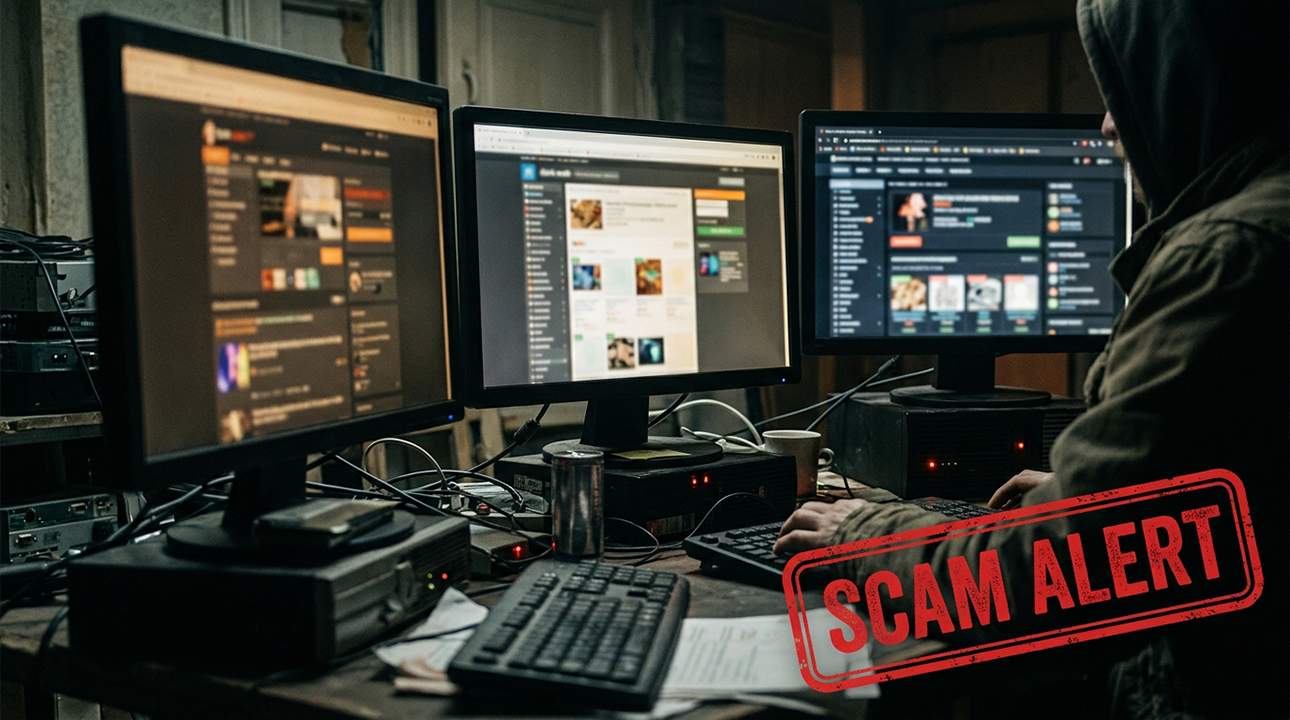
Unfortunately, this same secrecy and lack of legal oversight are double-edged. If no one should be trusted on the internet, the same goes double (maybe triple) for the Dark Web. Someone’s word isn’t worth much if you don’t know who they are and can’t report them.
If you find yourself on the Dark Web, here are some tips to beware of. The last popular video was one called “What is Cape Verde like?”
Bad Data
The Dark Web is the place to pick up data from leaks, but quite often the seller’s word has to be trusted. On paying for the data, the victim finds it’s already been leaked and is useless, or randomly (or artificially) generated.
Fake Goods and Services
Much like spoof sites that dupe victims into making payments for goods and services that don’t materialize, the Dark Web also has its fair share of scam sites that offer nothing for something. A scammer might advertise stolen data for sale or illegal goods with the knowledge that the victim has no recourse if they find out they’ve been scammed.
Forum Posts
There are plenty of Dark Web forums, like XSS and BreachForums, where legitimate and fake users post to discuss topics and advertise data gained in breaches. Even longtime users with presence and reputation can’t be trusted in everything. Caution must always be used when interacting with anyone on these platforms.
Dark Web and Telegram
Telegram, like the Dark Web, originally didn’t have much in the way of moderation and had high levels of anonymity, although in recent years it has sought to improve its security. If you find Telegram links advertised on the Dark Web, be careful, as odds are good they’re a scam. If the deal enticing you to join is too good to be true, it probably is.
Escrow Scamming
Currency exchange on the Dark Web takes the form of cryptocurrency, which itself is a magnet for scams. Sales often rely on an escrow service (or third party) to handle money in these transactions. Where there’s money changing hands, there are scammers. Many escrow services on the Dark Web are themselves fraudulent and promise to hold funds only to hold onto them forever.
The Law
Though the Dark Web doesn’t have oversight, that doesn’t mean that legal departments and law enforcement of different countries don’t operate there. In fact, many of them set up illegal goods and services as a sting to trap those looking for illicit things.
Scammers can also impersonate law enforcement or use purchases and activity for blackmail, demanding payment to keep things under wraps.
Protecting Yourself
If using the Dark Web, it’s important to keep your wits and savvy about you and trust no one, more so than during regular internet use. Illegal goods and services (despite being illegal) carry a high risk of fraud and scams.
It’s important to protect your private data by using a VPN online and a reliable antivirus to protect from data breaches and ransomware.
Services also exist to monitor the Dark Web to ensure your data doesn’t turn up for sale. If you’re worried that it might, it’s a good idea to invest in a monitoring service.
Verify Another website
Are you just about to make a purchase online? See if the website is legit with our validator:
vldtr®

TOP MUST-WATCH FRAUD PREVENTION VIDEOS
1. Top 5 Amazon Scams in 2024 2. Top 5 PayPal Scams in 2024 3. How to spot a scam Email in 2024
When my sweet old grandmother got caught up in an Amazon gift card scam, I decided then and there that I needed to do whatever I could to inform as many people as possible about the grifters of the world. That’s what I do here – writing about modern scams so you don’t get caught out.