

Scammers are constantly trying to find new ways to deceive people into giving away personal information. In today’s world, where we rely on the internet in all areas of life, people looking for new employment are an unsuspecting group of victims. Fake job postings are a new wave of scams appearing on all job platforms, including LinkedIn, Indeed, and Facebook. Let’s look at how these scams work and how you can identify them to help protect yourself from identity theft and financial loss.
Why Are Fake Job Postings So Common?
Any scam aims to steal personal data or gain access to bank accounts. Fake job postings are no different. In many cases, scammers impersonate real companies or use fake recruiter profiles to create professional looking listings. By showing interest in these positions, to will apply with names, date of birth, addresses and contact information, some take this even further and ask for payment information for a course or supplies needs to undertake this work.
Scam Detectors Most Trusted Websites in Online Security
- Guard.io (100): Protect your digital world on any device – Guardio stops scams and phishing in their tracks.
- Incogni.com (100): Delete your personal data from the internet and protect against scams and identity theft.
- ExpressVPN (100) Stay secure and anonymous online - Best VPN Out There
According to the Federal Trade Commission, job scams remain one of the top consumer complaints, particularly during periods of economic uncertainty.
Red Flags to Watch Out For
The main indicator of a fake job posting is that it appears too good to be true. Job ads that offer extremely high pay for minimal effort, especially those promising thousands per week for data entry or customer service roles with no experience required, should raise immediate suspicion.
Also look out for vague or missing company details. Authentic job posts usually include a clear company name, a functioning website, and real contact details. If these are missing or seem vague, it could potentially be a fake job posting.
Scammers also tend to use unprofessional email addresses. Instead of company domains, they often communicate using generic Gmail or Yahoo accounts. This, combined with messages riddled with spelling errors or vague job descriptions, could indicate a fake job posting.
One of the most dangerous requests they make is for sensitive information. No real employer should ever ask for your Social Security number, bank account details, or copies of identification before you’ve signed an official offer of employment. Also, be wary of any potential employer that requires you to send money upfront for training materials, software, or equipment. Legitimate companies cover these costs themselves.
How Scammers Target Victims
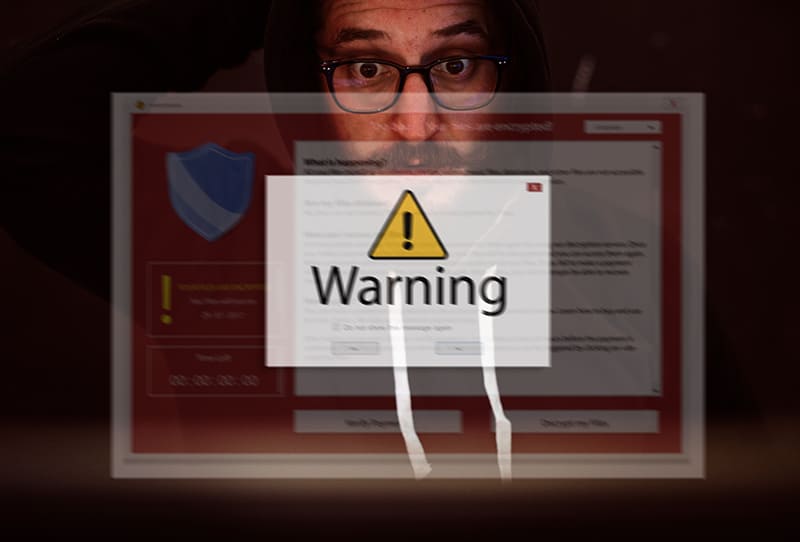
Fake job offers usually start with a professional-looking post on a job board or social media platform. Sometimes scammers reach out directly to individuals who have uploaded resumes online. Their goal is to move the conversation to a private chat where they can exert pressure and avoid moderation from the original platform.
They often rely on urgency, claiming that the position must be filled immediately or that you're the “perfect fit” after just a few lines of conversation. Once they’ve built a sense of trust, they ask for personal details, banking information, or a payment for so-called onboarding costs. These tactics are designed to confuse and rush victims into making decisions they wouldn't otherwise agree to.
What to Do if You’ve Been Targeted
The moment you suspect a job posting might be fraudulent, it’s essential to cut off all communication. You should then report the listing directly to the platform where it appeared, whether that’s LinkedIn, Indeed, or Facebook. Submitting a report to the FTC can also help prevent others from being victimized.
If you've already shared sensitive information, you may need to contact your bank, place a fraud alert with credit agencies, or consider using an identity theft protection service.
How to Stay Safe in the Future
To avoid falling for similar scams, always research the company thoroughly. Look for official websites and verify the contact information. When possible, apply for roles directly through the company's careers pages rather than third-party job boards. Be cautious if a recruiter insists on using apps like Telegram or WhatsApp for interviews, as legitimate employers will use professional communication channels.
If a job appears too good to be true, then it probably is a fake job posting. Remember, real jobs don’t cost money to apply for or secure. If a role asks for payment up front, then it's almost certainly a scam. And finally, trust your instincts. If something feels off, it probably is.
Verify Another website
Are you just about to make a purchase online? See if the website is legit with our validator:
vldtr®

TOP MUST-WATCH FRAUD PREVENTION VIDEOS
1. Top 5 Amazon Scams in 2024 2. Top 5 PayPal Scams in 2024 3. How to spot a scam Email in 2024
When my sweet old grandmother got caught up in an Amazon gift card scam, I decided then and there that I needed to do whatever I could to inform as many people as possible about the grifters of the world. That’s what I do here – writing about modern scams so you don’t get caught out.