
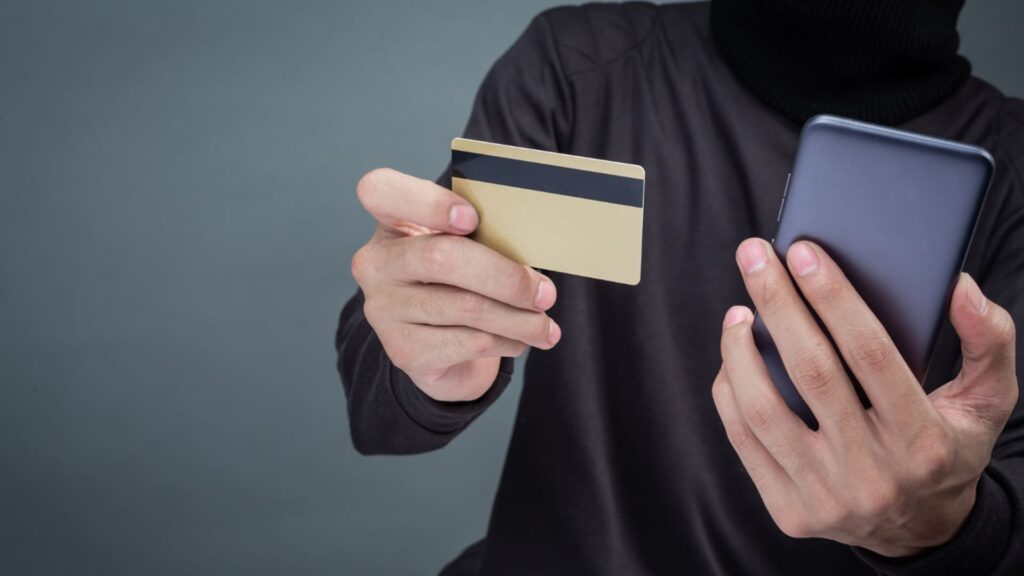
If your phone rings and you see the Caller ID listed as Chase Bank, it might not actually be the bank, but a scammer. And to make matters worse, scammers have adopted more complex methods of covering their tracks and making their schemes more difficult to spot at first. Here’s what you need to know about the latest round of the Zelle Chase scam.
How Does the Zelle Chase Scam Work?
The modus operandi for the Zelle scam for Chase Bank is similar to phishing scams. Someone will call you pretending to be an employee of Chase Bank, usually from their fraud department.
Scam Detectors Most Trusted Websites in Online Security
- Guard.io (100): Protect your digital world on any device – Guardio stops scams and phishing in their tracks.
- Incogni.com (100): Delete your personal data from the internet and protect against scams and identity theft.
- ExpressVPN (100) Stay secure and anonymous online - Best VPN Out There
In the Zell scam for Chase Bank, the scammers will open with a few “suspicious charges” made on your account, often for thousands of dollars. To make them more legitimate, they will add on actual locations, addresses, or dates, spurring urgency by suggesting that you only have a little bit of time to backtrack the charge normally.
To supposedly “aid” the process, the pretend fraud expert will provide a Zelle “cancellation code,” which is to be used instead of the traditional phone number for recipient information. You would be asked to simply send in the same amount as the fraudulent transaction to be “reversed” via the cancellation code.
The scam operates on the basis that you won’t check what you’re actually typing in. The cancellation code is actually a phone number of the scammers, and since Zelle transfers are near-instant and irreversible, the moment they receive the money, they’d cease all communication with you.
How to Spot the Zelle Scam for Chase Bank

Considering that this is just one of many scams utilizing Zelle, it shares a lot of similarities with traditional banking scams.
First, the tone of the messaging is urgent in an attempt to pressure you to send money that very instant. While reversing fraud charges needs to be done quickly, it’s not so urgent that you can’t sit down and think for a moment.
Secondly, the concept of needing to send money to yourself via Zelle is dubious at best. Actual banks have stringent protocols on reversing fraudulent charges, and they will practically never use a third-party payment processor to do so.
Third, the scammer might call for a “supervisor” to increase the perceived legitimacy of the scam. In actuality, all they want is to keep you on the phone. By not hanging up, you can be further lured in and persuaded that their method works.
How to Stay Safe
One of the best safeguards against the Zelle Chase scam is to verify that you’re actually speaking with the bank.
While the Caller ID on your phone might say that the phone number belongs to Chase, it’s a spoofed number that has no relation to the bank at all.
When you receive your credit or debit card, you should also have received phone numbers for the bank’s support and fraud departments.
If someone calls you to discuss a potential fraud, the best way forward is to excuse yourself, hang up, then call the number listed on the Chase card. Never use the callback number that the person on the other end of the phone gave to you, as it’s most likely going to be yet another spoofed number.
Verify Another website
Are you just about to make a purchase online? See if the website is legit with our validator:
vldtr®

TOP MUST-WATCH FRAUD PREVENTION VIDEOS
1. Top 5 Amazon Scams in 2024 2. Top 5 PayPal Scams in 2024 3. How to spot a scam Email in 2024
When my sweet old grandmother got caught up in an Amazon gift card scam, I decided then and there that I needed to do whatever I could to inform as many people as possible about the grifters of the world. That’s what I do here – writing about modern scams so you don’t get caught out.