
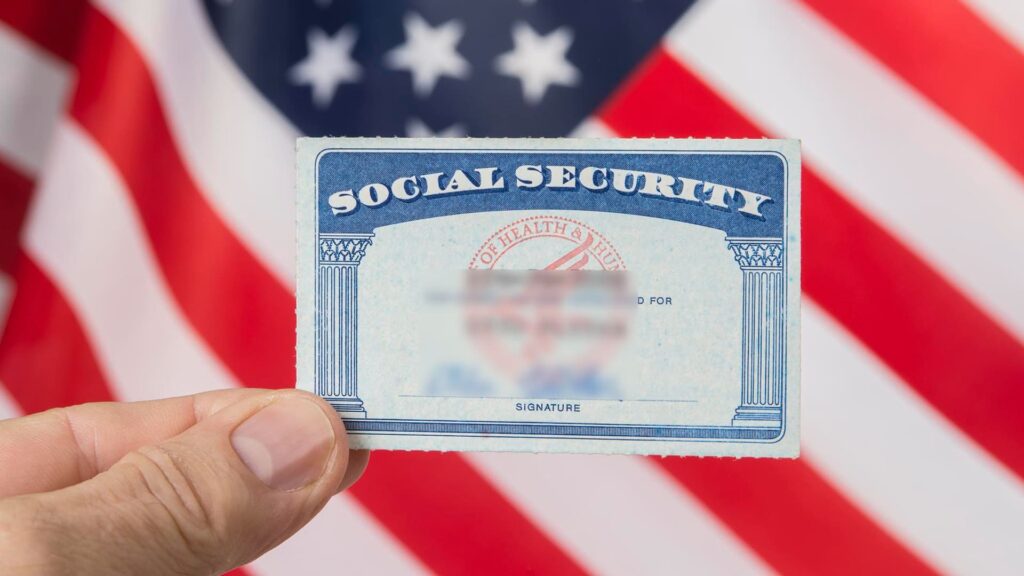
Regardless of how vigilant you or your loved ones are, the worse-case scenario might happen, with your social security number getting stolen by scammers. With this vital piece of information, scammers can do irreparable damage to your bank accounts, credit scores, and even employment records. Which might bring up the question: “What to do if SSN gets stolen?”
While we’re hoping this never happens to you, here are vital steps you should take immediately if you think someone got a hold of your SSN. Note that these are all roughly equally important, so there’s no “right order” so long as you complete all of them.
Scam Detectors Most Trusted Websites in Online Security
- Guard.io (100): Protect your digital world on any device – Guardio stops scams and phishing in their tracks.
- Incogni.com (100): Delete your personal data from the internet and protect against scams and identity theft.
- ExpressVPN (100) Stay secure and anonymous online - Best VPN Out There
Step 1 – Lock Your SSN and Contact the SSA
Locking your SSN is a relatively new process that basically prohibits it being accessed except via in-person checks. That means neither you nor the scammer can use your SSN online.
There are two main ways to lock your SSN:
- Go to e-verify.gov and then to the “Self Lock” section and follow the instructions.
- Call the Social Security Administration at 800-772-1213 and ask for an SSN lock (or steps on what to do if you’ve been scammed).
You can also report a stolen SSN to the SSA online via the “report stolen number” page.
Step 2 – Contact the FTC, IC3, and the Police to File a Report
The FTC can create a personalized identity recovery plan from the moment you report the theft. You can contact FTC in two different ways:
- Go to gov and select “Get Started” to create a new report, then follow the instructions.
- Call 1-877-382-4357 to get a direct line to FTC.
FTC’s plan will likely include prewritten claims for damage recovery and dispute that you can file to hopefully recover some of your losses.
After this, the IC3 (Internet Crime Complaint Center) is FBI’s branch for cybercrime. You can contact it via the official website and select “File a Complaint,” then follow the instructions.
Last, but not least, contact your local police to file a report on possible identity theft. Include the report you made to the FTC. However, the exact process will depend on your local police department.
Step 3 – Place Fraud Alerts on Your Credit File
Contact one of the three major credit bureaus and place a fraud alert on your credit file:
- Experian (1-888-397-3742)
- Equifax (1-888-378-4329)
- TransUnion (1-800-680-7289)
When you contact one bureau, it will automatically notify the other two.
Alternatively, consider placing a credit freeze, which prevents new accounts from being opened without your permission. Visit the websites to initiate freezes online, and keep the PINs provided in a safe place.
Step 4 – Contact Relevant Companies
The SSN can technically be used with only a few types of companies, the damage a scammer can deal can be immense. Contact the following organizations, specifically the companies where new accounts have been created in your name:
- Banks
- Insurance companies
- Healthcare providers
- Loan providers
- Utility companies
Step 5 – Contact the IRS
One of the biggest reasons someone might want your SSN is to claim your tax return. Contacting IRS and letting them know will safeguard your money. The IRS will also know what to do if someone gets your SSN from a logistics standpoint, advising on a few other precautions that might be relevant to your case.
How to Keep Your SSN Safe

To prevent SSN theft, be wary of being asked for your SSN when something seems off. More specifically:
- Don’t carry your SSN card unless you know you’ll need it.
- If possible, leave the SSN field empty and use another identifying document.
- Government agencies and banks will never ask you for your SSN via call, text, or email.
- You’re under no obligation to provide the SSN to a prospective employer, as most background checks can be done without them or require additional security checks anyway. If a potential employer asks for an SSN and a payment out of the gate, it’s most likely a scam job offer.
Verify Another website
Are you just about to make a purchase online? See if the website is legit with our validator:
vldtr®

TOP MUST-WATCH FRAUD PREVENTION VIDEOS
1. Top 5 Amazon Scams in 2024 2. Top 5 PayPal Scams in 2024 3. How to spot a scam Email in 2024
When my sweet old grandmother got caught up in an Amazon gift card scam, I decided then and there that I needed to do whatever I could to inform as many people as possible about the grifters of the world. That’s what I do here – writing about modern scams so you don’t get caught out.