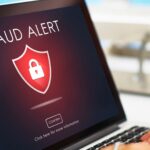
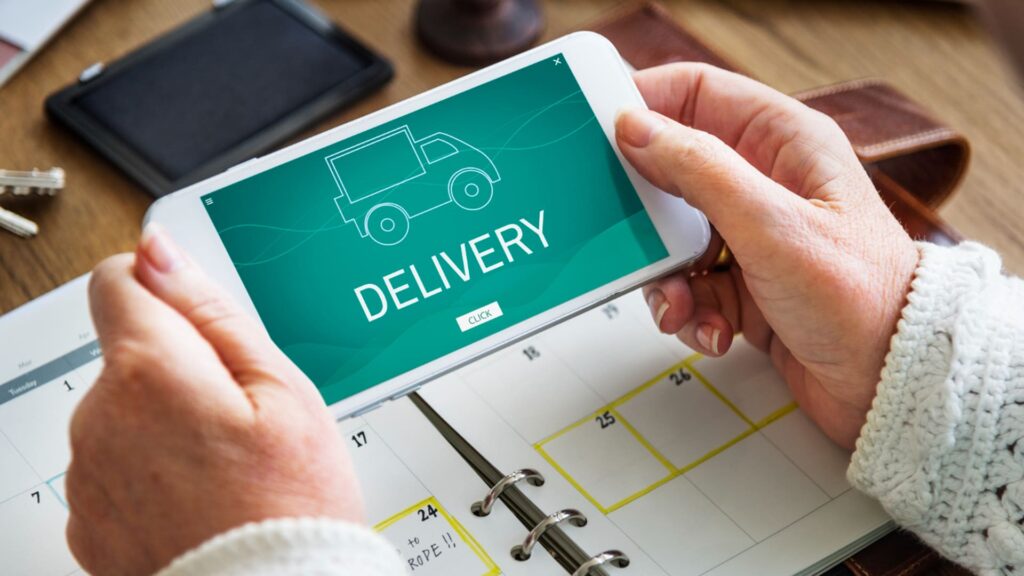
Fake delivery scams are now among the most common forms of fraud in the United States. With everyone getting deliveries from Amazon or other online retail websites, fake Amazon delivery scams and FedEx phishing and smishing fraud are becoming increasingly common. How can you identify these types of postal scams and how can you avoid them?
What Do Postal Scams Look Like?
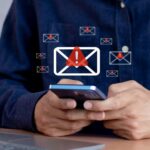
Postal scams can come via phone call, text message (smishing), or email (phishing). They will purport to be from the delivery company and will relate to a problem with your latest delivery (sometimes even though you haven’t ordered anything). For example:
Scam Detectors Most Trusted Websites in Online Security
- Guard.io (100): Protect your digital world on any device – Guardio stops scams and phishing in their tracks.
- Incogni.com (100): Delete your personal data from the internet and protect against scams and identity theft.
- ExpressVPN (100) Stay secure and anonymous online - Best VPN Out There
- They will tell you a delivery has been delayed and will ask to provide personal information to reschedule it. This is a scam to gain access to your personal information for identity theft purposes.
- They may claim that there are outstanding charges on your purchase that need to be paid before the delivery can be made. This is a scam to get you to make a fraudulent payment or to gain access to your bank account information.
- You might receive a special link to track your parcel. But when you click on the link, it will automatically download malware to your device, giving scammers access to your device and personal information.
In each case, a seemingly legitimate and innocent communication from a delivery company can end up draining your bank account… or worse.
How to Detect Postal Scams?
It is possible to detect postal scams, as there are certain things that companies like Amazon and FedEx will never ask you.
- Amazon will never reach out to you unsolicited via phone or message asking you to update your delivery preferences or billing information. You will always be required to update this in your secure account via their main website.
- These companies will also never ask for additional payment once a transaction has been finalized.
- They do not need your personal or financial information to make a delivery.
- Emails with a link slightly different than the main business website are likely fraudulent.
- If you need to enter information such as a tracking number, you should be asked to navigate to the official website’s tracking page, rather than click an email link.
- If you haven’t ordered anything, you shouldn’t receive communications about a delivery.
- Companies like Amazon and FedEx will never use threatening language to get you to provide information or make a payment.
With a little common sense, it is possible to avoid delivery scams. If you believe you have been the victim of a postal scam, you can report it to the Federal Trade Commission.
Verify Another website
Are you just about to make a purchase online? See if the website is legit with our validator:
vldtr®

TOP MUST-WATCH FRAUD PREVENTION VIDEOS
1. Top 5 Amazon Scams in 2024 2. Top 5 PayPal Scams in 2024 3. How to spot a scam Email in 2024
When my sweet old grandmother got caught up in an Amazon gift card scam, I decided then and there that I needed to do whatever I could to inform as many people as possible about the grifters of the world. That’s what I do here – writing about modern scams so you don’t get caught out.