
Many countries have begun to clamp down on social media and the influence it has on young people. Unfortunately, scammers have been quick to take advantage of different regulations to provide age verification, which turns out to be a ploy to obtain personal information and commit identity theft.
In this article, we’ll be looking at social media age verification scams and how they work.
Scam Detectors Most Trusted Websites in Online Security
- Guard.io (100): Protect your digital world on any device – Guardio stops scams and phishing in their tracks.
- Incogni.com (100): Delete your personal data from the internet and protect against scams and identity theft.
- ExpressVPN (100) Stay secure and anonymous online - Best VPN Out There
Targeting the Vulnerable
While countries like Germany, Italy, and the UK require youth under a certain age to obtain parental permission to create or use social media accounts, the toughest regulation to date comes from Australia, which, in 2024, blocked minors under 16 from any form of social media under threat of large fines.
With the ban set to come into effect from December 10, 2025, the government is on high alert for potential scams.
How Social Media Age Verification Scams Work
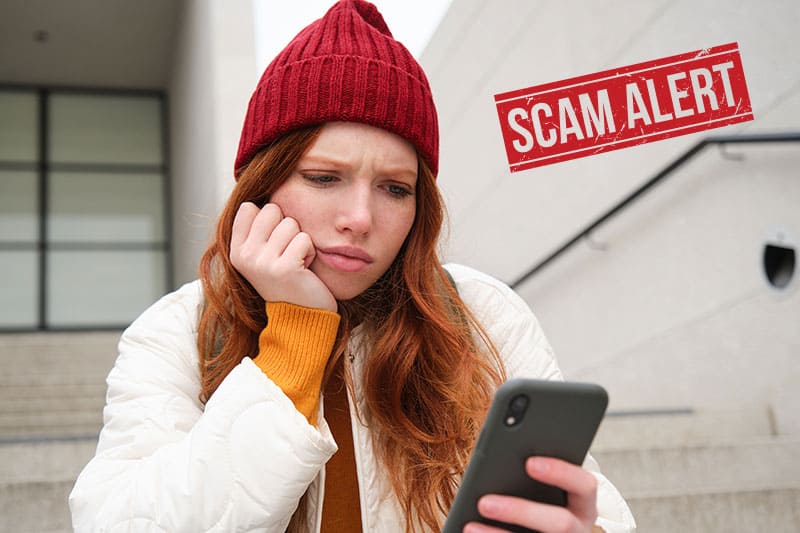
The scam begins like most phishing attempts do: an unsolicited message, either through social media or email. The message might claim to be from an official government source, or it might be from a third-party, eager to help.
The method of attack could vary:
- A scammer imitating official channels might threaten the victim with legal action unless they verify their age and provide documentation.
- A third-party might promise ways to stay compliant or skirt around restrictions completely in exchange for personal details and a cash payment.
- Some scammers might impersonate (spoof) social media platforms themselves, asking the victim for verification (no matter the age) in order to keep their account.
- There are also fears that scammers could use stolen identities to contact relatives of the victims, impersonating them, and asking for more details or funds.
From here, the victim is usually provided with a link to follow, where a fake site or form collects information and, in some cases, payments. Once the scammer has received this, they disappear.
Because the law in Australia is so new, the chosen methods of attack have yet to be verified and so could take one or more forms. The important thing is to stay vigilant, whether you live in Sydney or Lapland.
Staying Safe From Scams
Because things are still new, it’s important to look for red flags rather than rely on specific examples. Here are a few pointers:
- Check the Message – Confirm the sender of the message. Is it through official channels? Does the link provided lead to an official site? Is the hyperlink accurate or a clever spoof? Are there any spelling or grammatical errors, not to mention fonts, formats, and icons for recognized brands?
- Look at the Tactics – Are you feeling pressured by the message? Phishing scams usually target through fear or greed, threatening legal action or promising a way to skirt the law. Another tactic is time pressure, calculated to hinder rational thought. If you feel pressured, threatened, or if a deal sounds too good to be true, this is most likely a scam.
- Personal Details – Remember that official government channels and social media platforms won’t pressure you into providing details over messages. What’s more, they’ll never request banking details and PINs from you. It’s important to know how the official channels communicate, so you can better spot false attempts.
- Don’t Follow the Links – If you’re ever unsure about a message link, don’t click it. Instead, go to the official site or contact the organization directly to confirm any legal action or promises.
Reporting Age Verification Scams
If you suspect a message or site of trying to scam you or a minor, then you can report these to your local government or law enforcement. Keep an eye on official sites for scam updates and further news on the social media ban.
Verify Another website
Are you just about to make a purchase online? See if the website is legit with our validator:
vldtr®

TOP MUST-WATCH FRAUD PREVENTION VIDEOS
1. Top 5 Amazon Scams in 2024 2. Top 5 PayPal Scams in 2024 3. How to spot a scam Email in 2024
When my sweet old grandmother got caught up in an Amazon gift card scam, I decided then and there that I needed to do whatever I could to inform as many people as possible about the grifters of the world. That’s what I do here – writing about modern scams so you don’t get caught out.