
PayPal is the easy way to pay for eBay purchases and online retail shopping, and you can even use it to pay your friends back for dinner or other treats. But like any widely used financial app, there are scammers out there trying to take advantage of this platform.
The “Your PayPal account has been limited” scam is a common one, but easy to fall for. The panic that you won’t be able to access your money or pay for goods is what drives this scam.
Scam Detectors Most Trusted Websites in Online Security
- Guard.io (100): Protect your digital world on any device – Guardio stops scams and phishing in their tracks.
- Incogni.com (100): Delete your personal data from the internet and protect against scams and identity theft.
- ExpressVPN (100) Stay secure and anonymous online - Best VPN Out There
Learn more about the “Your PayPal account has been limited” scam below and how to spot it and avoid it.
What Is the “Your PayPal account has been limited” Scam?
The scam begins when bad actors send bulk emails with a dire warning to thousands of people about their accounts. The email may look remarkably like an official PayPal email, with a realistic-looking logo and usually a similar web address or link.
The gist of the email is that “Your PayPal account has been limited” and you need to take action now to fix it. This is a common tactic to scare people into acting. They want to instill the fear that not doing anything will lead to the PayPal account being shut down, which can override the instinct to check further into the email’s legitimacy. The scammers hope that at least a few people fall for it.
The email will also include a link. There will be instructions for the recipient to click the link and enter their PayPal login details. Of course, if you do click the link, the site it takes you to will not be PayPal, although it may look surprisingly similar. Scams like this are becoming more sophisticated all the time, and fake webpages can have an address and look identical to the real thing, except for some subtle differences.
Once you enter your details, the scammers have access to your account. They will change your password, locking you out, and access your money.
How to Spot This Scam
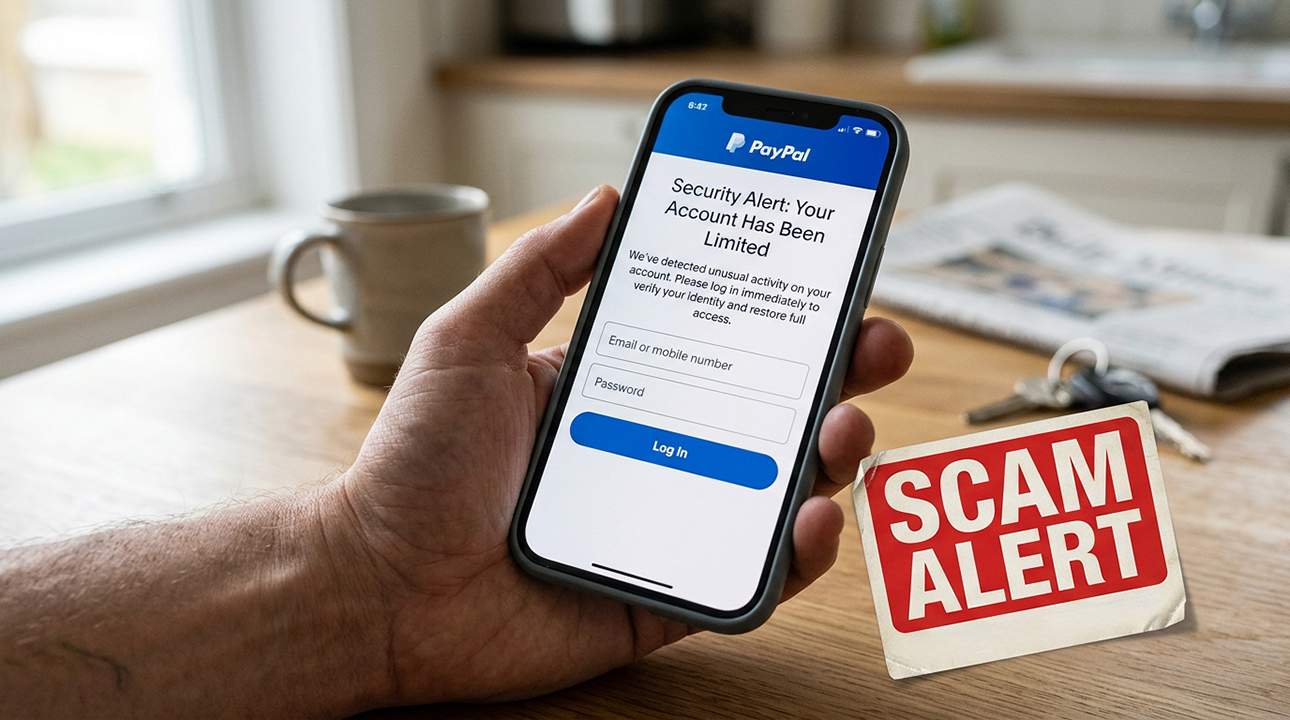
The concerning part about these scam emails is that they can look very realistic. However, there are some things to watch out for:
- The use of “Dear customer” is a red flag. PayPal would have your name.
- Grammatical and spelling errors, such as “Account PayPal” instead of “PayPal Account.”
- Dramatic urgency, e.g., “Act now to prevent your account from being blocked!”
Also, PayPal won’t contact you in this manner if there’s a problem with your account. You will receive a notification the next time you log into the app or official website. Ignore emails from “PayPal” and always log in manually to check the status of your account. You can even call PayPal using the contact numbers on their website.
Protect Yourself From PayPal Scams
The “Your PayPal account has been limited” scam isn’t the only one you should be aware of. Others may try to get you to send them money via PayPal for services or to people you think you know. Still others will offer you a prize in return for entering your PayPal credentials. Top tips to stay safe when using PayPal include:
- Use a strong password and change it regularly.
- Only ever enter your credentials in the official PayPal app or website.
- Don’t give your login details to a third party, even if you think they’re trustworthy.
- Report suspicious messages directly to PayPal.
- Enable two-factor authentication (2FA).
Sign up for Scam Detector’s Scam Alerts to learn more about common online and financial scams. You’ll receive regular updates about the latest scams, including tips and tricks to stay safer when shopping online or using apps like PayPal.
Verify Another website
Are you just about to make a purchase online? See if the website is legit with our validator:
vldtr®

TOP MUST-WATCH FRAUD PREVENTION VIDEOS
1. Top 5 Amazon Scams in 2024 2. Top 5 PayPal Scams in 2024 3. How to spot a scam Email in 2024
When my sweet old grandmother got caught up in an Amazon gift card scam, I decided then and there that I needed to do whatever I could to inform as many people as possible about the grifters of the world. That’s what I do here – writing about modern scams so you don’t get caught out.