
Amazon’s staggering $637 billion revenue earned in 2024 alone makes it a prime target for scammers. They see how popular the site is and they come up with all sorts of tricks to take advantage, including setting up fake versions of Amazon. These fake versions of Amazon use all sorts of scams, from tricking you into paying for “products” that never existed to simply stealing the credit card and personal information you enter into them.
Naturally, you want to avoid these sites.
Scam Detectors Most Trusted Websites in Online Security
- Guard.io (100): Protect your digital world on any device – Guardio stops scams and phishing in their tracks.
- Incogni.com (100): Delete your personal data from the internet and protect against scams and identity theft.
- ExpressVPN (100) Stay secure and anonymous online - Best VPN Out There
We show you how not to become a victim with these four ways to spot a fake Amazon website quickly, whether they promote cheap products or Galapagos travel incentives.
Method 1 – Look for Grammatical Errors in the URL
The website’s URL is always your first port of call when trying to spot a fake Amazon website. Particularly sloppy scammers will make mistakes, such as misspelling “Amazon” as “Amason.” In some cases, these mistakes are intentional as a misspelling allows the scammer to register a URL they then might disguise as the legitimate Amazon website. There’s precedent here – Amazon itself has registered “amzon.com” and redirected the address to the real Amazon website. Scammers might do the same, only the redirect sends you to a fake Amazon.
The tip here is simple – always spell “Amazon” correctly in your browser.
Method 2 – Check for https:// in the URL
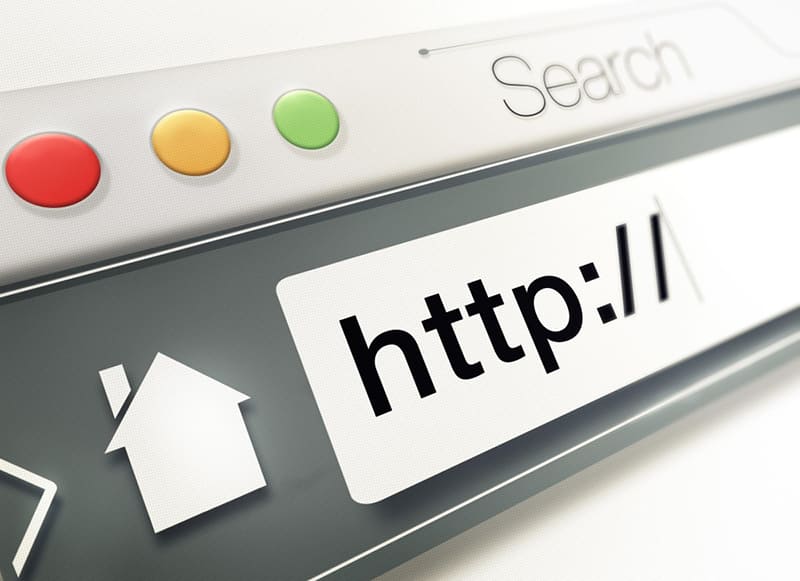
The presence of https:// in a URL tells you that the site uses the secure version of the hypertext transfer protocol. Every website that requires you to send sensitive data – such as credit card details – uses this protocol, including Amazon. So, this method for spotting a fake Amazon site is simple – check for https://. If it isn’t there, the odds are high that you’re on a fake version of the site that’s trying to scam you.
Method 3 – Link Hovering
Some scammers are sophisticated enough to realistically spoof Amazon’s legitimate URL, making their fake site appear real at a glance. That “reality” may be reinforced by the site’s structure, which will include products and feature a carbon copy of the real Amazon’s navigation system. That makes the fake site very difficult to tell apart from the real thing.
However, there is a giveaway – the hyperlinks built into the site.
Though scammers may spoof a URL, they can’t make every link on the site go directly to the legitimate Amazon store. They wouldn’t be able to steal your details that way. Links have to go to a site the scammer sets up. So, hover your cursor over any link on a suspicious “Amazon” site. If you notice that it contains a different address from the one displayed (or that it leads you away from Amazon) you’ve likely spotted a fake.
Method 4 – Avoid Links From Emails
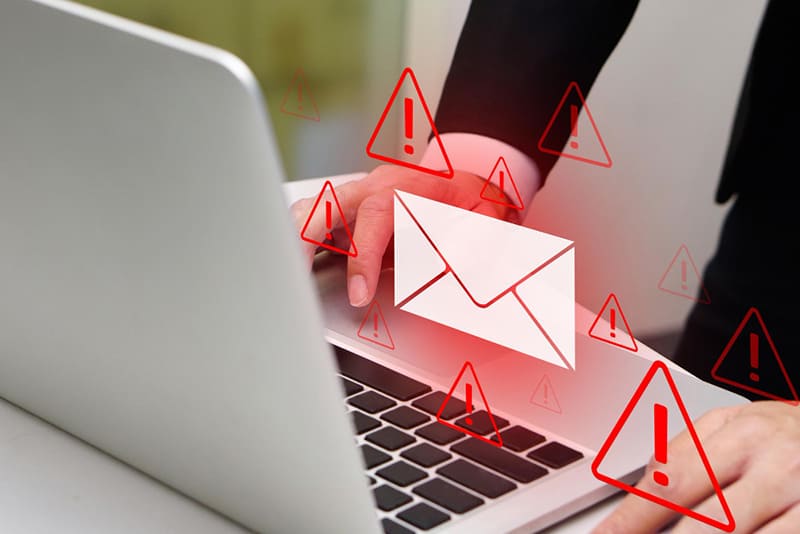
Amazon scammers often use phishing to trick people into clicking on their fake websites so they can steal data. There are some tells here, such as checking the sending address to see if it’s legitimately an Amazon email and looking for spelling errors in the email itself.
The easiest method by far is to avoid clicking any links you receive from emails claiming to be from Amazon. This is a “scorched Earth” approach because Amazon sends legitimate emails itself. Navigate to Amazon directly via your browser instead, which guarantees you land on the real site.
Verify Another website
Are you just about to make a purchase online? See if the website is legit with our validator:
vldtr®

TOP MUST-WATCH FRAUD PREVENTION VIDEOS
1. Top 5 Amazon Scams in 2024 2. Top 5 PayPal Scams in 2024 3. How to spot a scam Email in 2024
When my sweet old grandmother got caught up in an Amazon gift card scam, I decided then and there that I needed to do whatever I could to inform as many people as possible about the grifters of the world. That’s what I do here – writing about modern scams so you don’t get caught out.













Are Silver embedded sheets a scam product
Really useful suggestions! It is crazy how to see realistic fake Amazon sites these days. Carefully checking the URL and avoiding the sketch link is a necessity. I always double-checked for the Paddallock icon.
I recently after many years shopped online at Amazon and you have caused my brain to hurt but it was overdue! I am greatful for this information in more ways than one. You have truly opened my eyes and my brain and I feel as if I can protect myself a bit better but know I have so much more to learn. Thank you thank you and keep up the good work …please!
Thank you so much for providing such educational material.
that is useful!!
The information given by you in this article was very helpful for me keep providing such information thank you.