
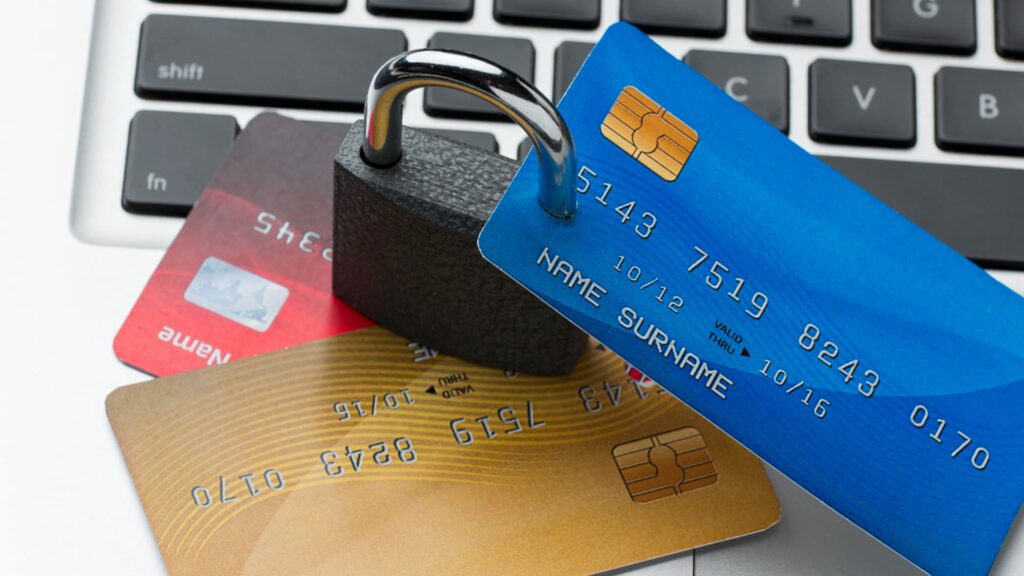
As the technology in debit cards improves, debit card chip scams are evolving too; fraudsters are now exploiting the more secure EMV chip with devices that read data from the chip when it’s used at the gas pump and ATM.
Here is what you need to look out for to avoid getting caught by the latest debit card chip scams.
Scam Detectors Most Trusted Websites in Online Security
- Guard.io (100): Protect your digital world on any device – Guardio stops scams and phishing in their tracks.
- Incogni.com (100): Delete your personal data from the internet and protect against scams and identity theft.
- ExpressVPN (100) Stay secure and anonymous online - Best VPN Out There
Types of Scams
There are two main types of chip scams. The most serious card chip scam is known as “shimming” and involves the use of a thin device known as a “shimmer,” which criminals insert inside a card reader. Any physical card reader is vulnerable to this, from ATMs to gas pumps and regular store payment terminals.
Shimming works by reading and intercepting the data that the card chip transmits when it’s inserted. The data that’s captured can then be used to make counterfeit cards. Additionally, scammers may fit miniature spy cameras to capture you entering your PIN into the ATM keypad. And if they manage to record your card data and PIN together, they will be able to take money from your account in several different ways.
The second type of scam is remote skimming, where criminals will use a portable contactless reader and wirelessly intercept the data from contactless chips via RFID.
How to Spot a Potential Shimming Scam
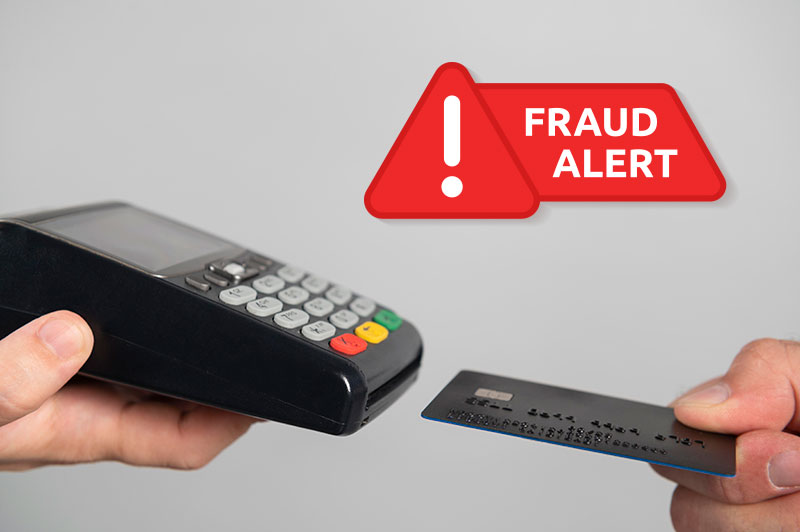
Generally, with devices where skimming is occurring, something will look out of place. Inspecting the card slot of an ATM or other reader is good practice. If there’s a misalignment of the slot or the surrounding area, this often indicates that a scammer has tampered with the reader. Equally, if you feel resistance when trying to insert your card, or if the card feels stuck, this is an indication that there may be a shimmer fitted underneath the main card slot.
Ways to Stay Safe
There are a few steps you can take to avoid shimmer and remote skimming scams. Use contactless payments, opting for NFC, Apple Pay, or Google Pay whenever possible. These methods use a tokenization process that makes it difficult for thieves to intercept sensitive data.
Covering your PIN when entering it will help protect against cameras picking up what you input into the keypad. Likewise, avoiding any unmanned or standalone ATMs at gas pumps or in secluded streets is a good idea, since these are skimming hotspots. If you are forced to use a card in a risky location, opt for a credit card rather than a debit card, since they offer much better fraud protection after the event.
Examining card readers for loose parts or misaligned slots and unusual attachments is a good idea, as is gently pulling at the surround to check its integrity.
Using an RFID-blocking wallet or cardholder to protect against remote skimming is also a wise move. Many modern wallets come with this as standard, particularly the metal money clip-type cardholders.
You should always monitor your bank accounts by enabling real-time transaction alerts and setting up notifications for “card-not-present” purchases. If you suspect your card has been remotely skimmed or shimmed, reporting this activity immediately gives you the best chance of getting your money back. You should also block and order a replacement card as soon as possible to limit further fraudulent transactions.
Verify Another website
Are you just about to make a purchase online? See if the website is legit with our validator:
vldtr®

TOP MUST-WATCH FRAUD PREVENTION VIDEOS
1. Top 5 Amazon Scams in 2024 2. Top 5 PayPal Scams in 2024 3. How to spot a scam Email in 2024
When my sweet old grandmother got caught up in an Amazon gift card scam, I decided then and there that I needed to do whatever I could to inform as many people as possible about the grifters of the world. That’s what I do here – writing about modern scams so you don’t get caught out.