
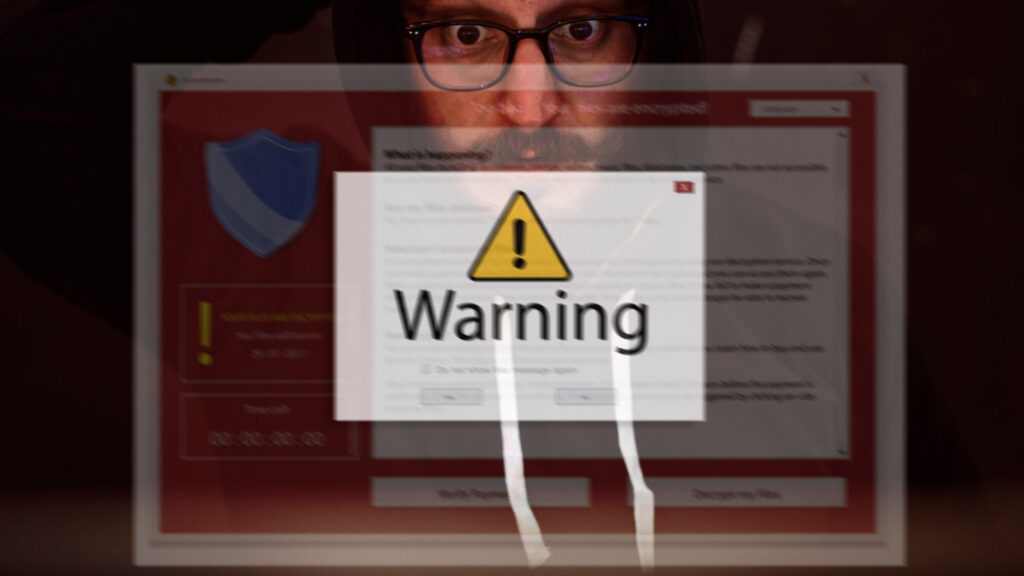
Why do written scams – emails and advertisements – quite often have bad spelling and grammar? Isn’t it an obvious giveaway that their content is fake? You might be surprised to learn that poor phishing scam spelling is a deliberate tactic. Here’s why phishing scam grammar and spelling are so bad, and other obvious mistakes to look out for.
Why Do Scams Use Bad Spelling?
Scammers often include bad spelling and grammar in their phishing attacks on purpose to weed out people who are unlikely to fall for their scam. If you pay attention to detail and take the time to read the full communication, then you are unlikely to fall for the scam and, therefore, are not a good target. They want someone who, even when faced with a ridiculous scenario, is unlikely to realize that it is illegitimate.
Scam Detectors Most Trusted Websites in Online Security
- Guard.io (100): Protect your digital world on any device – Guardio stops scams and phishing in their tracks.
- Incogni.com (100): Delete your personal data from the internet and protect against scams and identity theft.
- ExpressVPN (100) Stay secure and anonymous online - Best VPN Out There
When they intentionally use bad spelling, they want the alert ones to quickly realize that it is a scam and delete or click away quickly. They don’t want you to take the time to look into it, report them, and potentially set them back in their efforts. They also don’t want you to respond out of curiosity, therefore forcing them to spend valuable time on a dead-end target.
Inaccurate spelling has also been used in the past to get past spam filters, making the message seem more like a personal message from an individual than machine-generated bulk spam. However, spam filters are getting increasingly good at detecting these strategies.
Other Telltale Signs
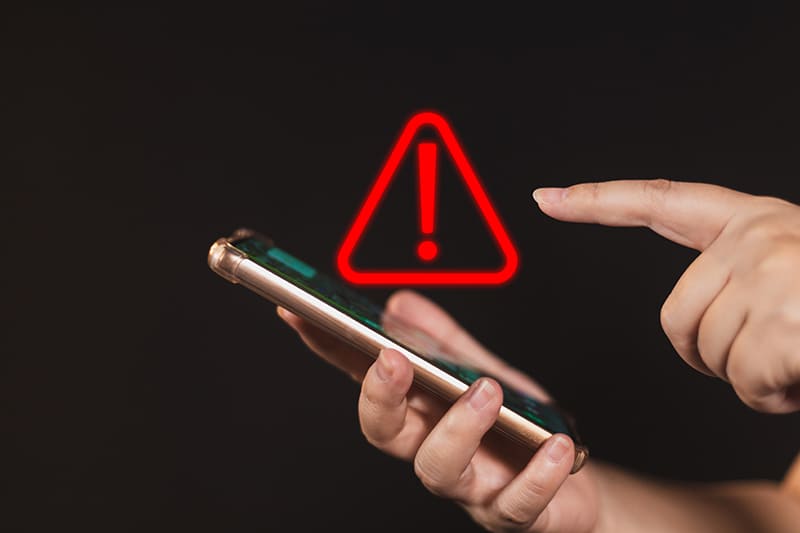
If you have the right level of attention to detail, these errors, such as confusing the singular and plural forms of words and awkward turns of phrase, can be combined with other telltale signs to identify phishing attempts.
- Suspicious Sender Address – When a scammer is impersonating another person, they will often use a variation of their email address (a misspelling of the name of the person they are impersonating), the use of free domains, or false professional domains that swap .com for .work, .hq, or something similar.
- Unfamiliar Sender – Most legitimate businesses use customer relationship management systems to personalize their interactions with you, so you can expect their communications to be addressed to you by name. Scammers are more likely to send generic “dear valued customer” emails.
- A Sense of Urgency – A principal strategy of scammers is to get you to act before you realize that a situation is suspicious. Therefore, they will often communicate a sense of urgency, suggesting that you will miss an opportunity or be penalized if you do not act immediately. For example, “travel to Maldives for almost free” and do adventurous “ostrich riding” in Curacao.
- Offers Too Good to Be True – Scammers are trying to make it as hard as possible for you to say no, so they will often make you offers that are too good to be true. If a deal sounds too good, it probably is, and should be deeply investigated before following the urge to commit.
- Request for Sensitive Data – Most businesses will not request sensitive data from you directly and will direct you to a secure portal where you can verify your details. Therefore, any request for sensitive data should be viewed with suspicion. Some scammers will try to send you to false secure portals, so it is important to check the site, the URL, and the logos carefully before engaging.
Necessary Diligence
It has never been easier for scammers to anonymously reach out through the internet and find vulnerable people likely to fall for their tricks. Therefore, we all have to be more diligent than ever and think before we click. Considering how good modern spelling and grammar checkers are, receiving an email with bad spelling and grammar can be a red flag for a scam.
Verify Another website
Are you just about to make a purchase online? See if the website is legit with our validator:
vldtr®

TOP MUST-WATCH FRAUD PREVENTION VIDEOS
1. Top 5 Amazon Scams in 2024 2. Top 5 PayPal Scams in 2024 3. How to spot a scam Email in 2024
When my sweet old grandmother got caught up in an Amazon gift card scam, I decided then and there that I needed to do whatever I could to inform as many people as possible about the grifters of the world. That’s what I do here – writing about modern scams so you don’t get caught out.











Still getting several fake family store closing down sales after 50yrs. No address where they traded.