

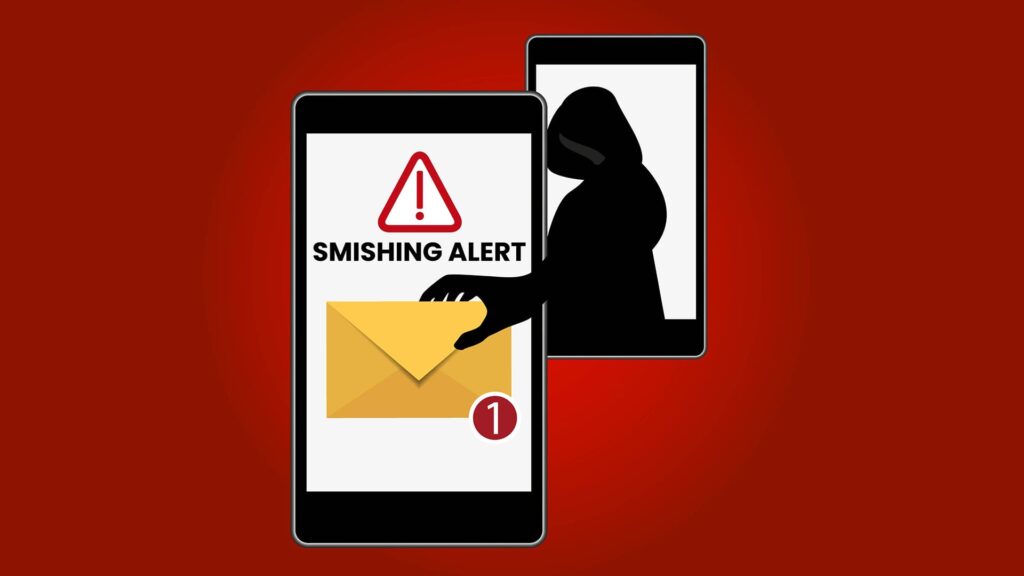
You receive a text message from FedEx. It says that your package is waiting for delivery confirmation. It then warns you that failing to respond will result in the package being returned to the sender. You go to click on the link in the message but suddenly remember: “I didn’t even order anything!” Congratulations, you’ve just avoided being scammed. If anything similar has ever happened to you, you’ve likely been targeted by a smishing scam. This guide will teach you what smishing scams are and what they can look like so you can make the right decision every single time.
What Are Smishing Scams?
Most people using the internet are familiar with phishing scams. It’s when malicious actors send fake emails to trick people into paying money, downloading malware, or handing over sensitive information. Smishing attacks are pretty similar. However, instead of emails, they use text messages (SMS) to target victims.
Scam Detectors Most Trusted Websites in Online Security
- Guard.io (100): Protect your digital world on any device – Guardio stops scams and phishing in their tracks.
- Incogni.com (100): Delete your personal data from the internet and protect against scams and identity theft.
- ExpressVPN (100) Stay secure and anonymous online - Best VPN Out There
The medium allowed smishing scams to become increasingly popular among hackers. Research has shown that victims are far more likely to click on links in text messages than anywhere else. Plus, scammers can easily mask the origin of smishing messages. They can even spoof phone numbers to make it appear as though the message is coming from a trusted source.
Of course, it doesn’t help that the message itself creates a sense of urgency to manipulate recipients into clicking on malicious links without thinking. But instead of receiving a gift or tracking your package, you either download malware or give your sensitive information out to a malicious website.
The 7 Most Common Types of Smishing Scams
Like other types of social engineering, smishing scams use fake stories to manipulate emotions and pressure people into benefiting scammers. Unfortunately, these scammers are endlessly creative, so these stories can be different each time. That’s why it’s impossible to list every smishing scam type out there. But once you learn about the most common types, you should be able to spot the warning signs.
#1 – Financial Institutions
Scammers pose as your bank or another financial institution, usually claiming there’s an issue with your account. Clicking the link leads to a fake website that steals your sensitive information like passwords, PINs, or credit card details. Watch out – this is the most common type of smishing scams.
#2 – The Government
Smishing scammers often impersonate government agencies, like the IRS or police. They typically claim you owe fines or need to act quickly to claim benefits.
#3 – Customer Support
A trusted company like Amazon, Apple, or Google reaches out to you to resolve an issue. It’s usually a problem with your account or an unclaimed refund. However, what these scammers want is access to your account on these websites.
#4 – Charity
Scammers can also exploit your generosity by posing as organizations or individuals collecting donations. These donations can be for disaster relief, a specific cause, and even a local political campaign.
#5 – Shipping Companies
During peak shipping season, you should watch out for scammers posing as shipping companies like FedEx or UPS. These often claim there’s an issue with your package and ask for payment to resolve it. They might also ask you to log in to a fake account, stealing your money or personal details in the process.
#6 – Someone You Know
Spoofing allows hackers to reach out to you as someone you know. It might be your boss, coworker, or client asking for urgent help. These might be more difficult to recognize as smishing scams. However, remember that you know the person supposedly sending the message. If you have any suspicions, you should reach out to them directly.
#7 – Gifts
People rarely just give out things for free. Remember that when you receive that “too-good-to-be-true” deal via a text message. These types of smishing scams aim to lure you in with promises of free gifts, rewards, or exclusive offers from well-known brands. But, as always, the only thing you might get is your money and information stolen.
Verify Another website
Are you just about to make a purchase online? See if the website is legit with our validator:
vldtr®

TOP MUST-WATCH FRAUD PREVENTION VIDEOS
1. Top 5 Amazon Scams in 2024 2. Top 5 PayPal Scams in 2024 3. How to spot a scam Email in 2024
When my sweet old grandmother got caught up in an Amazon gift card scam, I decided then and there that I needed to do whatever I could to inform as many people as possible about the grifters of the world. That’s what I do here – writing about modern scams so you don’t get caught out.