

Receiving a call from the police can be a daunting experience. You may feel worried, frightened, or even intimidated. Scammers exploit those emotions to trick victims into parting with data and money.
The Australian Federal Police Scam is one example of this type of scam. Victims receive a call from a fake police inspector, one that is convincing enough that it gets them to give access to their money. Learn how to spot this scam and avoid it below.
Scam Detectors Most Trusted Websites in Online Security
- Guard.io (100): Protect your digital world on any device – Guardio stops scams and phishing in their tracks.
- Incogni.com (100): Delete your personal data from the internet and protect against scams and identity theft.
- ExpressVPN (100) Stay secure and anonymous online - Best VPN Out There
How the Australian Federal Police Scam Works
The Australian Federal Police scam starts with a scammer creating a fake ReportCyber submission. ReportCyber is a government-operated program that allows Australian citizens to report instances of online scams and identity theft.
Responding to the fake report creates a response from an agency purporting to be the Australian Federal Police (AFP), including a reference number. The scammer then follows this up with a call, email, or SMS message, pretending to be a member of the AFP. They use the reference number on the fake report to make the contact appear legitimate.
Once they convince the victim that they’re genuine, the second part of the scam starts. The victim receives a second call, this time from someone pretending to be the victim’s digital wallet provider. The scammer will quote the same “official” reference number and state that they need security details or for the individual to transfer funds to a “government-secured” wallet or safety account.
The victim provides the credentials for their cryptocurrency account, or some other financial information, and the money in their account is stolen.
Specific Red Flags to Be Aware Of
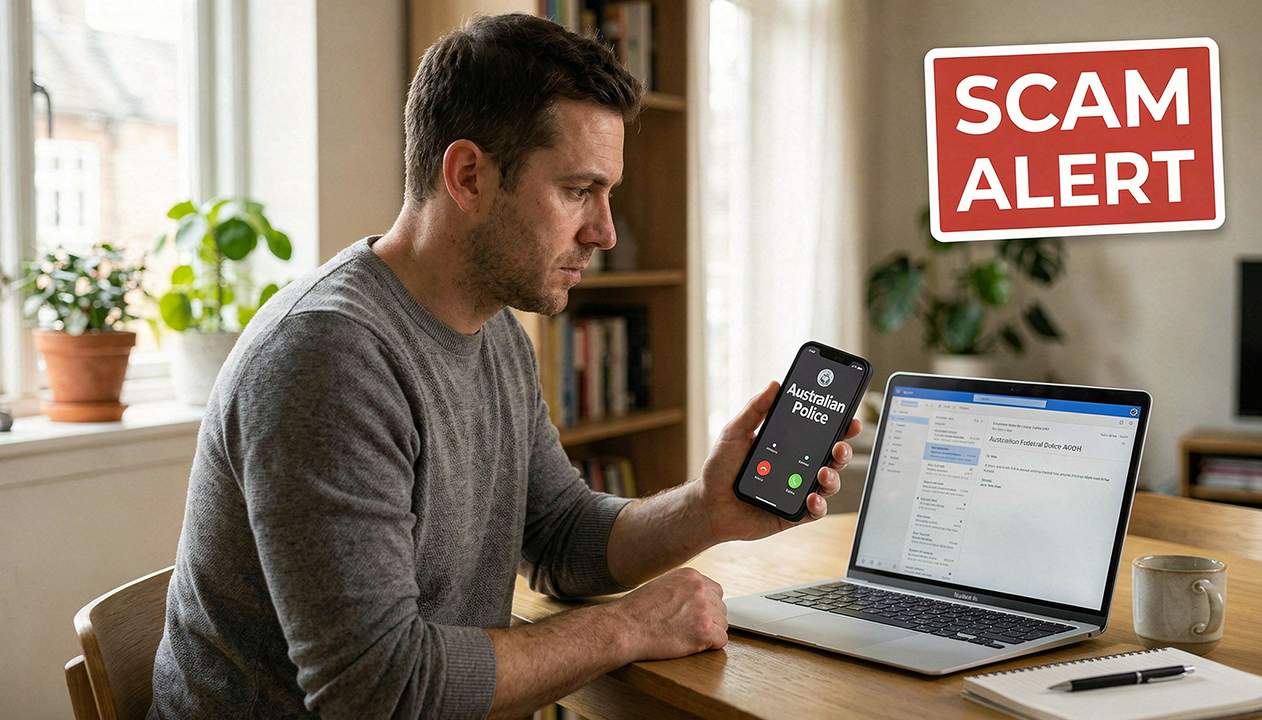
While these scams can be very convincing, there are several red flags to look out for:
- Calls from law enforcement officers about cryptocurrency are rare, so you can safely hang up. If there’s a genuine concern, the AFP will follow up by mail.
- ReportCyber officials will never ask for a one-time PIN or your credentials.
- No digital wallet provider would ask for your seed phrase or other credentials.
- They will also never ask you to transfer money to another account.
- Watch out for a sense of urgency, for example, being urged to “Act now” without the opportunity to check what’s actually happening.
- Video calls are another red flag. They may look like they’re coming from inside a police station or office, but the AFP will never video call you.
Any calls from an AFP cybercrime Detective Chief Inspector or someone saying they’re part of Operation Firestorm are most certainly scams.
Protect Yourself from Crypto Scams
The Australian Federal Police scam is just one in a range of scams targeting people with cryptocurrency accounts. You can protect yourself from this and other crypto scams by following these tips:
- Never transfer funds to someone you don’t know, even if they say they’re from the police or another authority.
- Hang up on suspicious callers. Do not communicate through digital channels.
- If you transferred some cryptocurrency before you realized it was a scam, contact your digital currency provider.
- Don’t give out details pertaining to your digital currency provider or wallet to anyone. The police would never take this information from you.
- Report suspicious calls, messages, and emails via the ReportCyber site.
Sign up for Scam Detector’s Scam Alerts for regular updates on crypto scams and other common types of fraud. Get the best advice on how to protect yourself so you can use your cryptocurrency with confidence.
Verify Another website
Are you just about to make a purchase online? See if the website is legit with our validator:
vldtr®

TOP MUST-WATCH FRAUD PREVENTION VIDEOS
1. Top 5 Amazon Scams in 2024 2. Top 5 PayPal Scams in 2024 3. How to spot a scam Email in 2024
When my sweet old grandmother got caught up in an Amazon gift card scam, I decided then and there that I needed to do whatever I could to inform as many people as possible about the grifters of the world. That’s what I do here – writing about modern scams so you don’t get caught out.