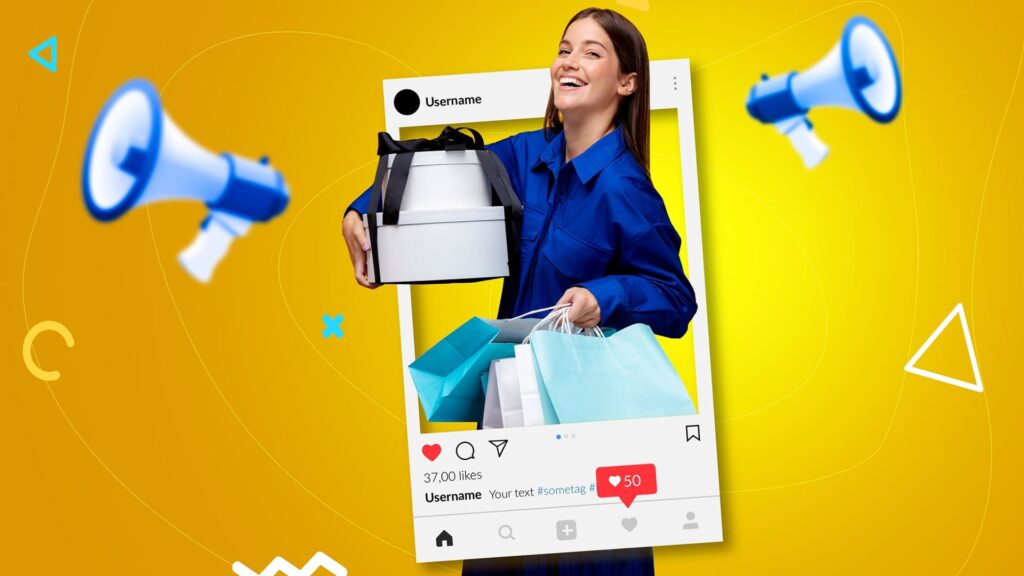
It’s always a good idea to be careful when looking at ads online, but perhaps more so now with AI-generated content. Social media is full of advertisements that overpromise, underdeliver, or just flat out lie, and platforms like Instagram often find it hard to keep up with weeding those types of ads out.
In this article, we’ll be giving you the tools to detect and avoid fake ads on Instagram by showing you what to keep an eye out for.
Scam Detectors Most Trusted Websites in Online Security
- Guard.io (100): Protect your digital world on any device – Guardio stops scams and phishing in their tracks.
- Incogni.com (100): Delete your personal data from the internet and protect against scams and identity theft.
- ExpressVPN (100) Stay secure and anonymous online - Best VPN Out There
Prime Time for Scams
In recent years, the proliferation of ads and Meta’s promotion of AI content means that users are bombarded with an increasing amount of sponsored content, not all of it legitimate. It seems like every other post on Instagram is yet another ad. This volume often makes fake or misleading ads hard to spot. Let’s take a look at some of the best ways to tell.
Knowing a Fake Instagram Ad When You See One
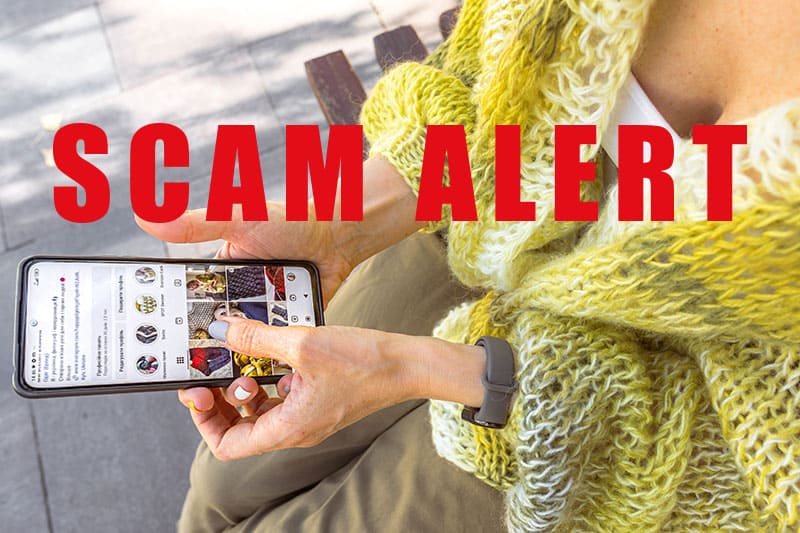
Is the ad targeting you on Instagram an answer to your prayers or a clever fake? Here’s what to look for:
Spelling and Grammar
Let’s start with a tried-and-true method. If any ad you’re looking at has any spelling or grammar mistakes, then a red flag should pop up immediately. Major brands and advertisers employ copy editors to avoid such mistakes, so errors should immediately undermine trust.
Beyond the text in an ad, look for the spelling or visual depiction of the brand label itself. Any errors there should also be a warning.
Look at the Account
Blue ticks help users verify the identity of the source of the ad. You should be wary of profiles that lack the blue tick of authenticity but are offering fantastic details, especially for major brands. If the profile of the person or business making you the offer has followed you (instead of the other way around), then you should be cautious immediately. Brands are keen for your business, but not that keen.
Another area of the profile to look at is comments and reviews. If their comments have been disabled, are almost all overly positive, or sound like they were generated by bots, then the account is most likely fraudulent.
The Time Crunch
A key aspect of scams and fraud is pressuring the victims to “act fast,” in an attempt to inhibit their ability to decide rationally or investigate further. Beware of ads that try to suggest scarcity or desperation through limited-time events or limited stock. If you’re not sure about a deal, try checking a brand’s actual site for more information.
AI Content
If you’re hit with a special offer from a celebrity speaking to you in a strange voice that doesn’t seem to be their own, spot a product that looks a little off, or notice that a video’s background seems to shift, then you’re probably looking at AI content. Machine-generated content is getting harder to spot, and many legitimate companies and brands use it, but the ease with which it's generated should be a warning to any wary user.
Check the Hyperlinks
Before you click on that ad to make a purchase, be sure to check the hyperlink. Does it contain the company or brand name? Is there an “https:” protocol at the beginning? If it’s a major brand, access their site directly and see if the special offer you’ve seen exists there too.
Too Good to Be True
Lastly, but certainly not least: if an offer is too good to be true, it usually is. If you’re greeted with an offer for a smartphone under $10 or a flash sale for the next 30 minutes, it’s best to move on. If the ad can’t be verified or backed up by further research, then you’re likely being targeted by a fake ad.
Verify Another website
Are you just about to make a purchase online? See if the website is legit with our validator:
vldtr®

TOP MUST-WATCH FRAUD PREVENTION VIDEOS
1. Top 5 Amazon Scams in 2024 2. Top 5 PayPal Scams in 2024 3. How to spot a scam Email in 2024
When my sweet old grandmother got caught up in an Amazon gift card scam, I decided then and there that I needed to do whatever I could to inform as many people as possible about the grifters of the world. That’s what I do here – writing about modern scams so you don’t get caught out.