


Some days, phishing seems as certain as death and taxes. It may shift and mold its methods, but the underlying principle remains the same: to separate a victim from their money and/or personal information. As a world leader in online shopping, Amazon is no stranger to these scams carried out in its name.
Today, we’re looking at a more recent incarnation, the Amazon refund notification scam. We’ll be exploring how it works and, just as importantly, how to guard against it.
Scam Detectors Most Trusted Websites in Online Security
- Guard.io (100): Protect your digital world on any device – Guardio stops scams and phishing in their tracks.
- Incogni.com (100): Delete your personal data from the internet and protect against scams and identity theft.
- ExpressVPN (100) Stay secure and anonymous online - Best VPN Out There
Anatomy of the Amazon Refund Notification Scam
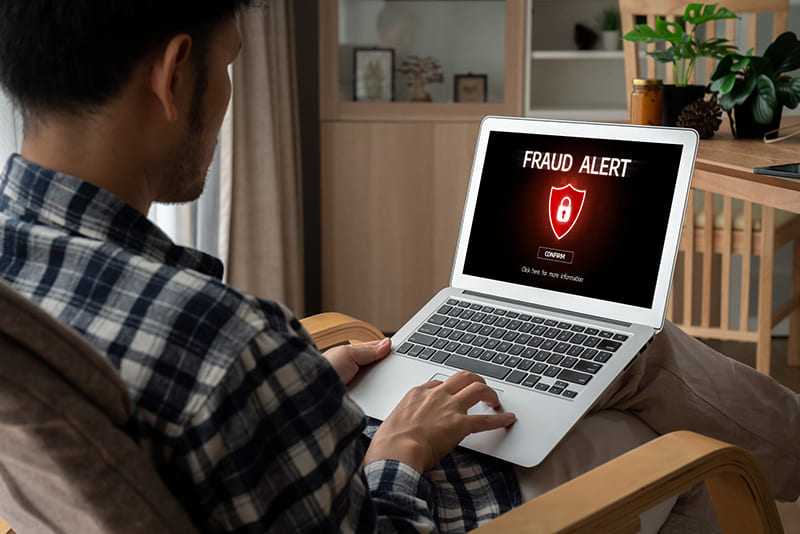
It begins, as most phishing attempts do, with an unsolicited message. You receive a text message, email, or social media notification that there was a problem with your order and that you’re entitled to a refund. The specifics vary, but include:
- Your most recent purchase did not meet Amazon quality standards
- A product failing a routine inspection
- The store supplying your ordered product has been shut down
- Some defect has been reported in the product range
The message helpfully provides a convenient link that the victim clicks to follow through. The page looks like an Amazon page, and asks for login, contact, and even banking details. With this information, the scammer now has access not only to the victim’s Amazon account but also bank account, and can abuse both.
This scam has many similarities with other Amazon scams (login verification, account closure, etc.) that take the user to an imitation site to steal information. What makes this scam a bit more dangerous is the timing, being strategically released around busy shopping times for Amazon, like Prime Day and Cyber Monday. There are deals aplenty, and more victims are willing to click before thinking.
Some messages will even mention the user’s Prime membership for an extra veneer of legitimacy.
Staying Safe
The Amazon refund scam might be new, but the underlying phishing principles remain the same. Here are our tips for guarding against it:
- Check for errors – Being a big company, Amazon scammers can be quite convincing in their site layout and branding. Still, keep an eye out for spelling and grammatical errors. Fonts are a big giveaway, as are the hyperlinks used. Trust messages only with your local Amazon hyperlink at the forefront.
- Don’t follow the link – The Amazon refund scam text will always include a link to follow. Don’t. Instead, go to the site or app directly.
- Use the app and site – Speaking of which, Amazon will send important correspondence through their app and website. If you receive any other message, head to the official site or app to check if the message is there as well. If you’re unsure, contact Amazon directly. They are well aware of these scams, and their consultants will help.
- Two-factor authentication – Two-factor authentication might be a pain sometimes, but TFAs are a valuable way for you to know that you’re providing your details to the right
- Beware urgency – Scammers use the threat of loss or consequences to hurry victims into making rash decisions. A refund message might put a time limit on the return to make you panic.
- Beware unsolicited requests – Banks and ecommerce companies will never ask you for your PIN, password, or vital personal information via a message or email. Any message you get asking you to do so for a refund (or leading you somewhere else) cannot be trusted.
Report any suspicious Amazon texts to 7726 (SPAM) and then delete the scam message. For other messages, you can contact Amazon directly via [email protected]. You won’t get a response (except for a confirmation), but your message will be appreciated.
Verify Another website
Are you just about to make a purchase online? See if the website is legit with our validator:
vldtr®

TOP MUST-WATCH FRAUD PREVENTION VIDEOS
1. Top 5 Amazon Scams in 2024 2. Top 5 PayPal Scams in 2024 3. How to spot a scam Email in 2024
When my sweet old grandmother got caught up in an Amazon gift card scam, I decided then and there that I needed to do whatever I could to inform as many people as possible about the grifters of the world. That’s what I do here – writing about modern scams so you don’t get caught out.