

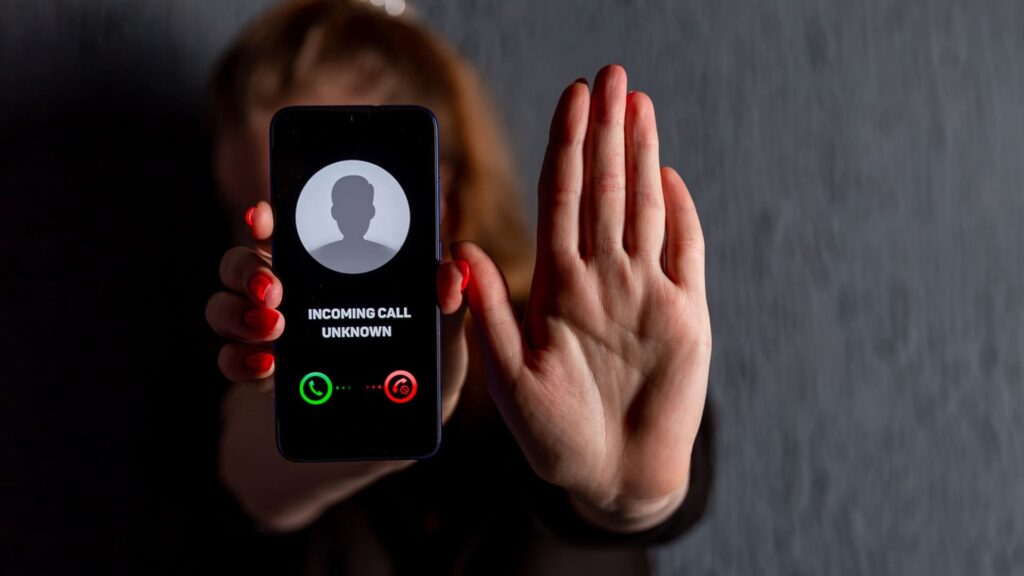
If someone you know reports receiving a call from your number, but you know you didn't make it, you’ve likely been a victim of phone number spoofing. This growing problem offers cybercriminals a frustratingly easy method to gain valuable data.
Here’s what you need to know about phone spoofing and, most importantly, how to stop it.
Scam Detectors Most Trusted Websites in Online Security
- Guard.io (100): Protect your digital world on any device – Guardio stops scams and phishing in their tracks.
- Incogni.com (100): Delete your personal data from the internet and protect against scams and identity theft.
- ExpressVPN (100) Stay secure and anonymous online - Best VPN Out There
What Is Phone Spoofing?
Phone spoofing is when a scammer sends false information to a caller ID to make it appear that a call is coming from a different number, usually from a trusted source. Scammers collect phone numbers from websites, classified ads, or even social media. This common scam is designed to impersonate individuals or businesses to trick the recipient into giving personal information.
Why Would Someone Spoof My Number?

There are a few possible reasons:
- To scam people while hiding their real identity
- To impersonate your business or personal brand
- To carry out phishing or fraud attempts
- To make it harder for victims to trace the call
Unfortunately, spoofers don’t need access to your phone to do this. Instead, they use software to disguise their identity, which may include using your phone number. If your number is being spoofed as part of a phone scam, here’s what you should do:
1. Report It Immediately
First, contact your mobile service provider to report the phone spoofing. Most carriers can monitor suspicious activity and may even offer additional tools or advice to help.
2. Notify Your Contacts
If your number is being spoofed, it’s important to inform your friends, family, and customers as soon as possible. A quick message, email, or social media post can alert people that unexpected calls from your number are not to be trusted. This will reduce the chances of them falling for a phone scam.
3. Use a Call Authentication Service
Ask your carrier if they support STIR/SHAKEN technology, protocols that can help verify that calls are actually coming from the number shown on caller ID. If your phone and carrier support it, this can significantly reduce spoofed calls pretending to be from you.
4. Set Up a Business Caller ID Protection Service
If you operate a business, ask your provider if they offer a branded caller ID service. This will not only protect your business identity but also help authenticate outgoing calls and flag impersonation attempts.
5. Consider Changing Your Number
If the spoofing continues or becomes abusive, you may need to change your phone number. While it’s an inconvenience, it’s sometimes the most effective way to stop scammers from misusing your caller ID and protect your reputation.
Stay Vigilant Against Phone Scams
Phone spoofing is more than a nuisance; it’s an illegal practice that can lead to real financial and reputational harm. While it can be difficult to protect your number in today’s modern world, vigilance is the key. Be wary of too-good-to-be-true competitions or suspicious contact forms that seek your data, including your phone number. By staying alert, taking swift action, and educating your contacts, you can protect yourself and others from falling victim to potentially devastating phone scams.
Verify Another website
Are you just about to make a purchase online? See if the website is legit with our validator:
vldtr®

TOP MUST-WATCH FRAUD PREVENTION VIDEOS
1. Top 5 Amazon Scams in 2024 2. Top 5 PayPal Scams in 2024 3. How to spot a scam Email in 2024
When my sweet old grandmother got caught up in an Amazon gift card scam, I decided then and there that I needed to do whatever I could to inform as many people as possible about the grifters of the world. That’s what I do here – writing about modern scams so you don’t get caught out.














Thank you for the information that you wrote about.